
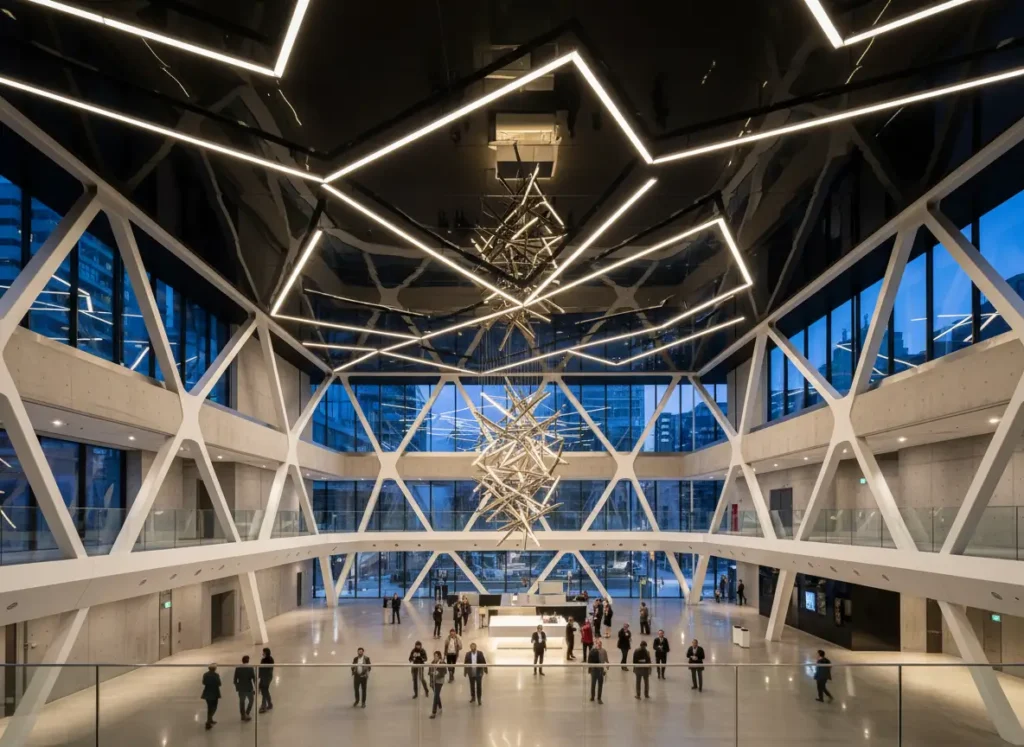
Stretch ceiling systems are used in many types of interior environments. Their flexible membrane structure allows designers and contractors to create smooth ceiling surfaces while integrating lighting, acoustic elements, and modern design features.
Because the system is lightweight and adaptable, stretch ceilings can be installed in residential homes, commercial interiors, hospitality environments, and large public buildings.
Below are some of the most common spaces where stretch ceilings are used.
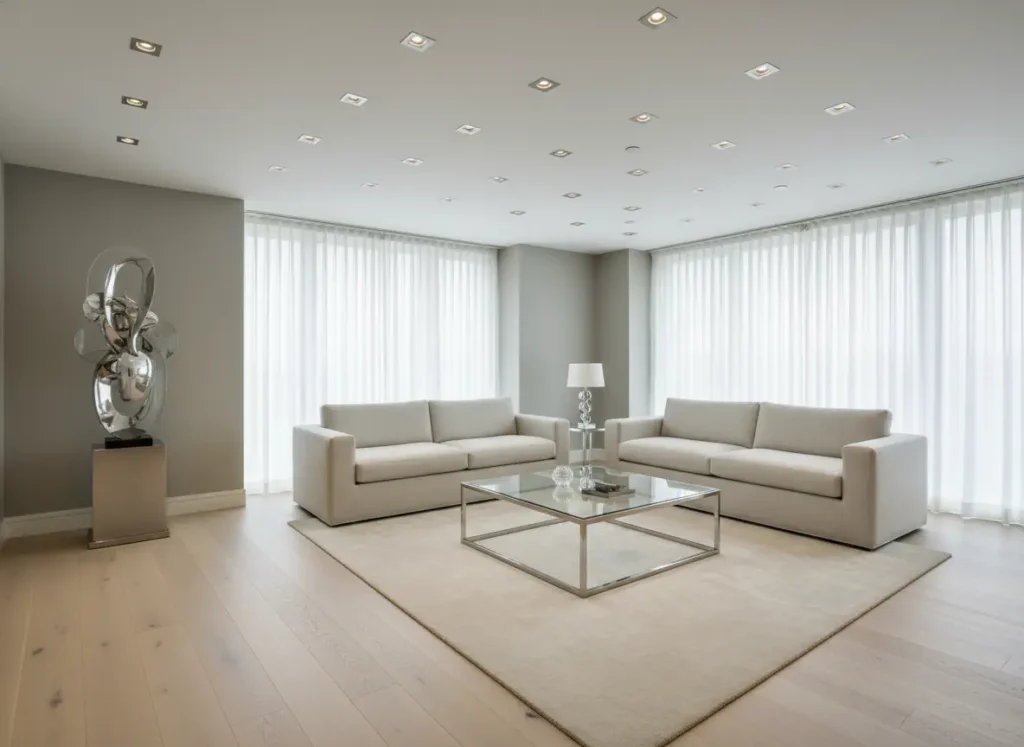
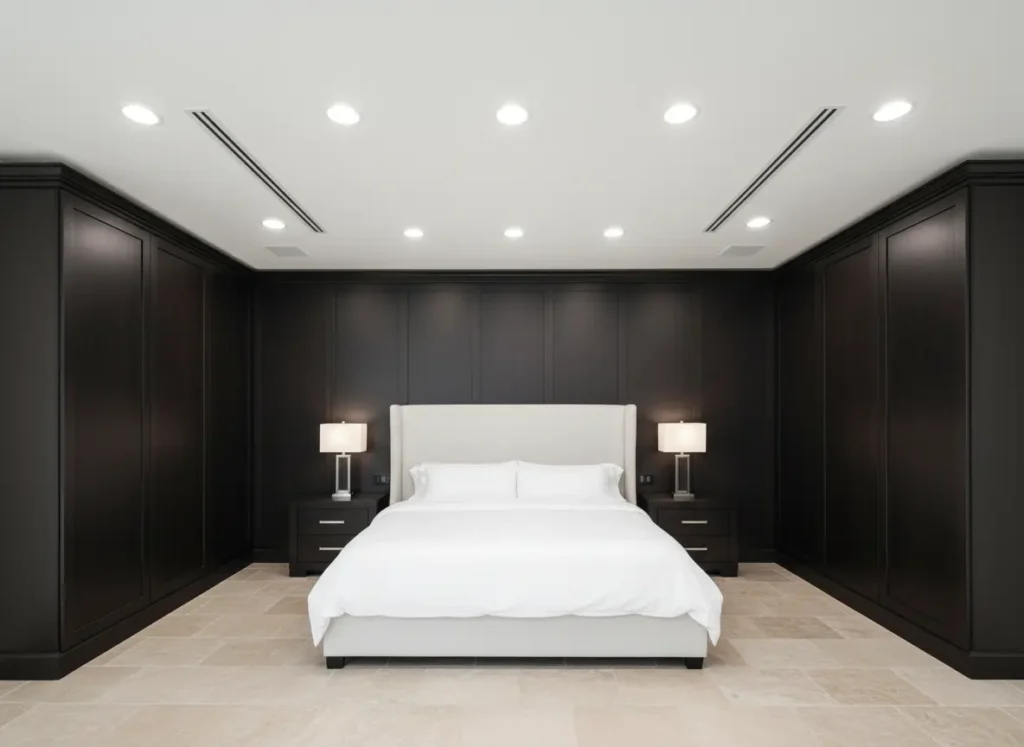
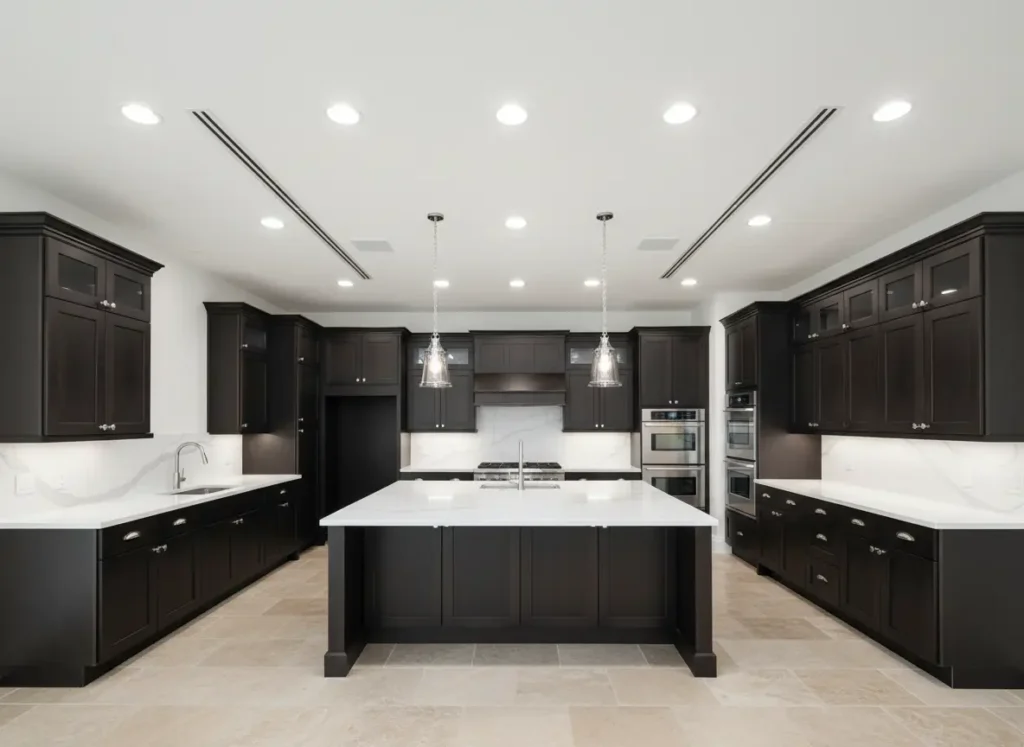
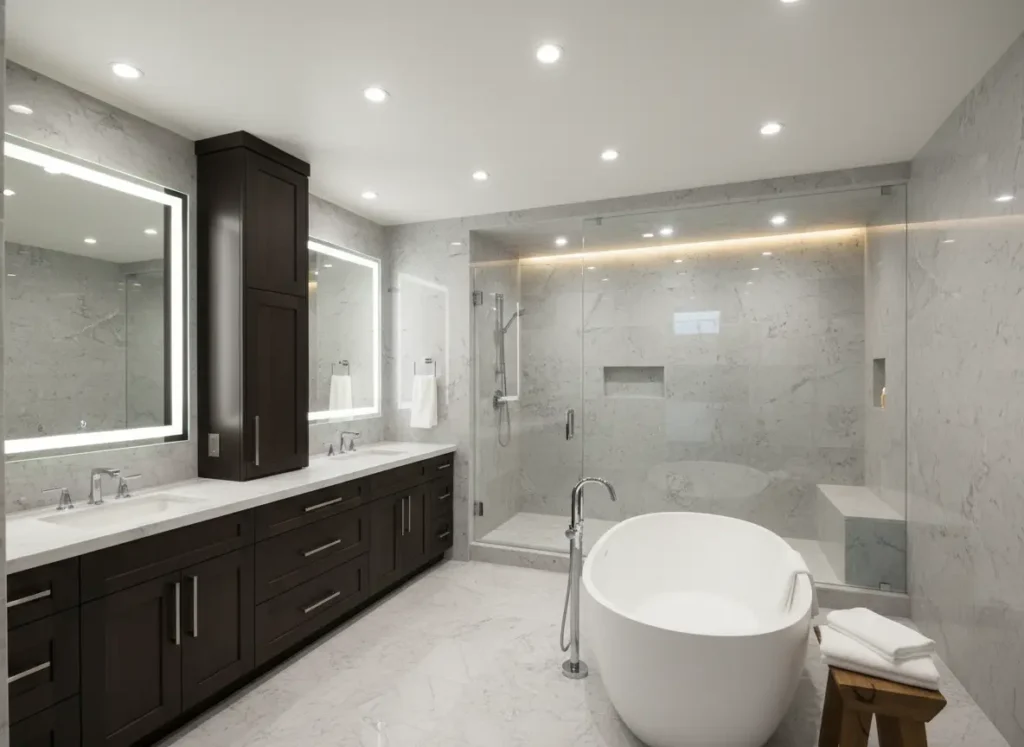
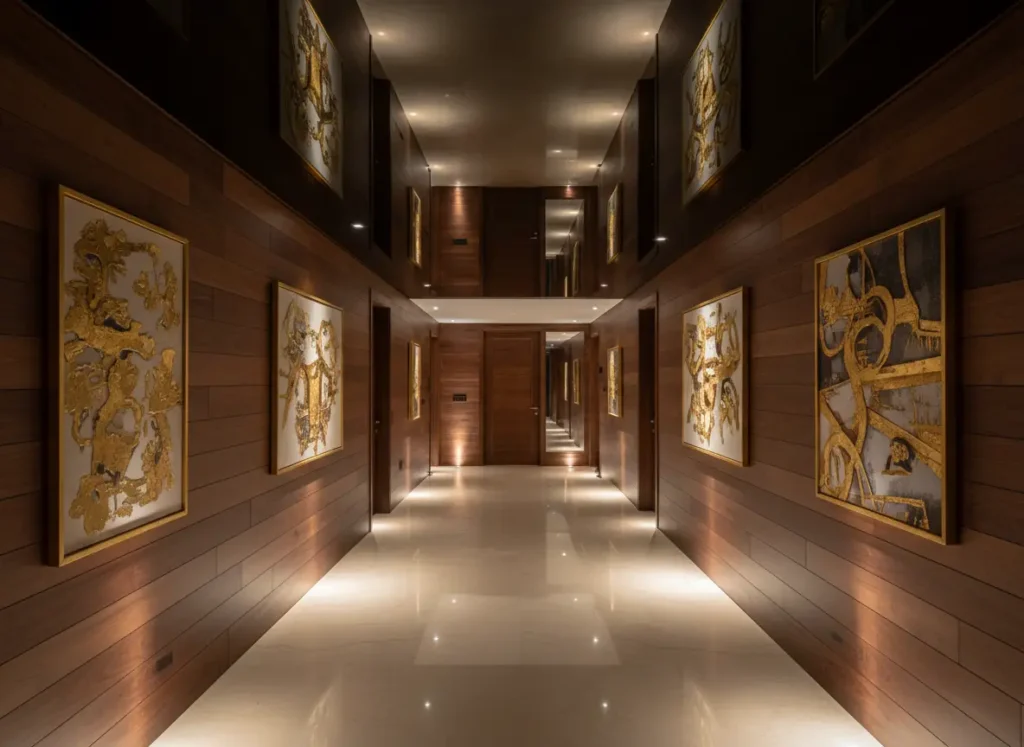
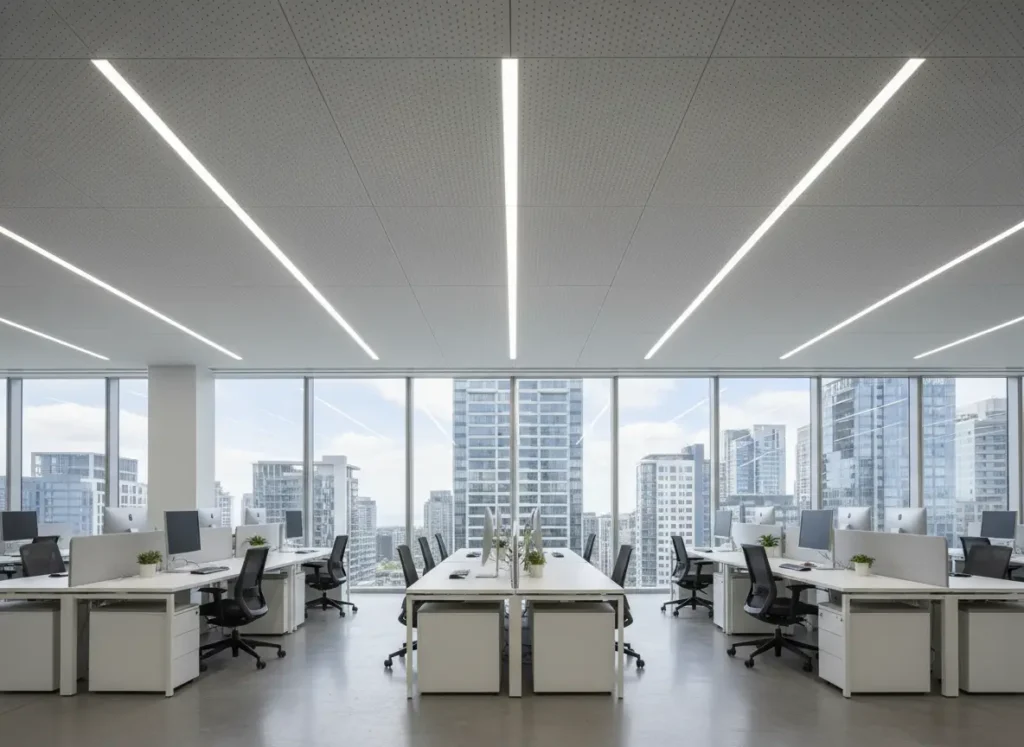
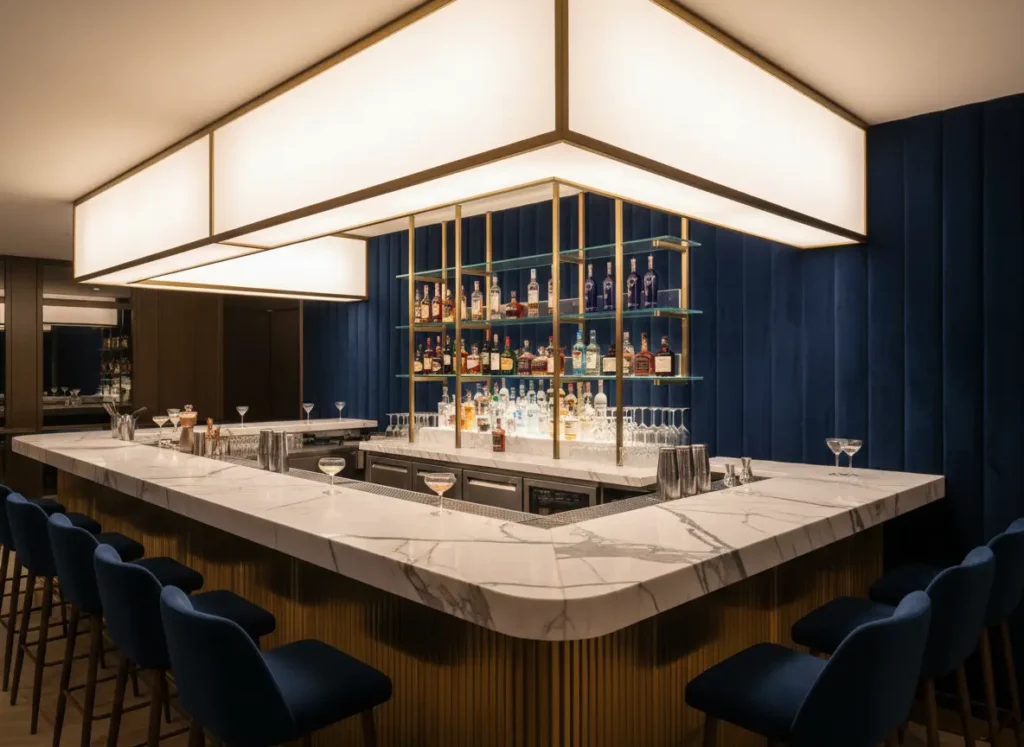
Dining spaces often focus on atmosphere and interior character. From minimalist design to more complex one.
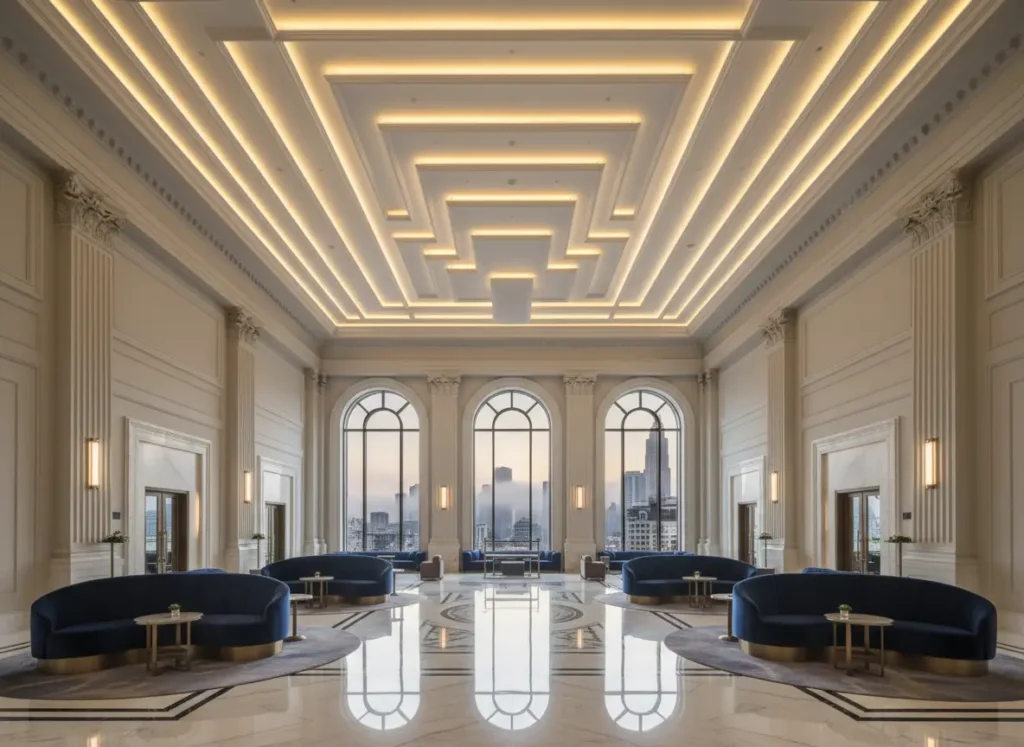
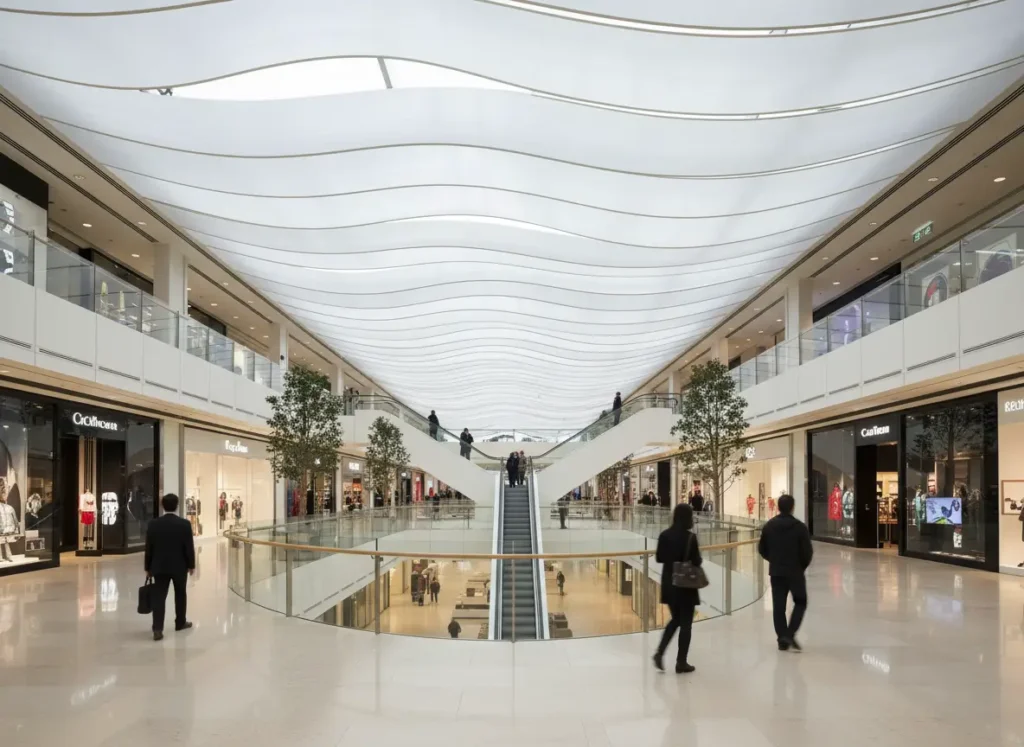
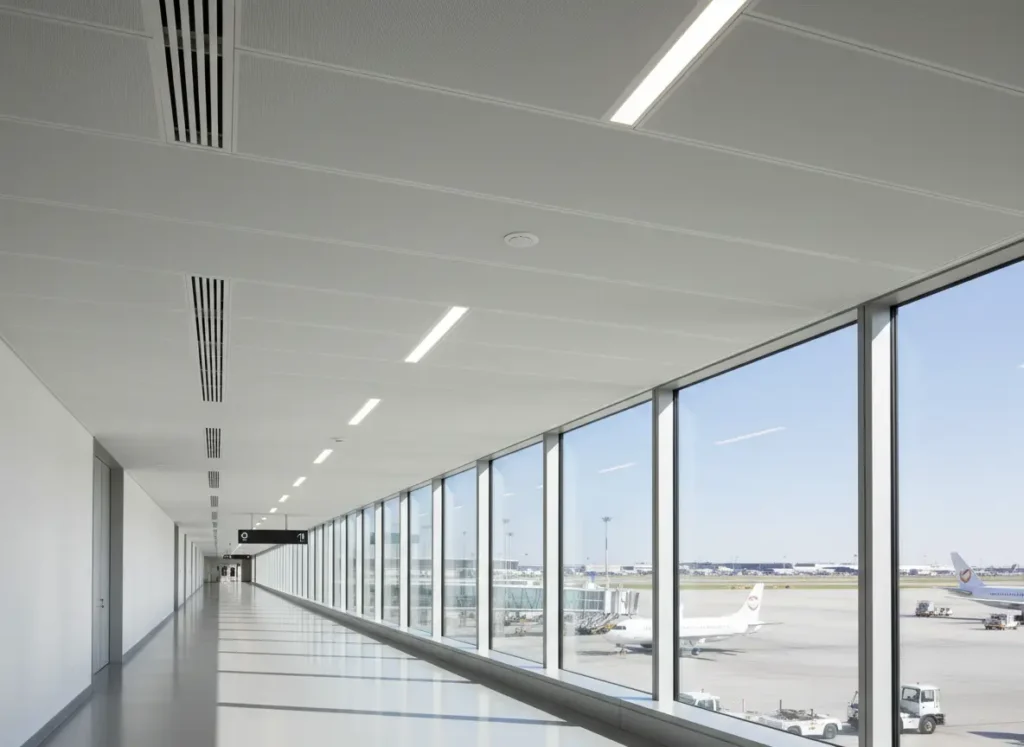
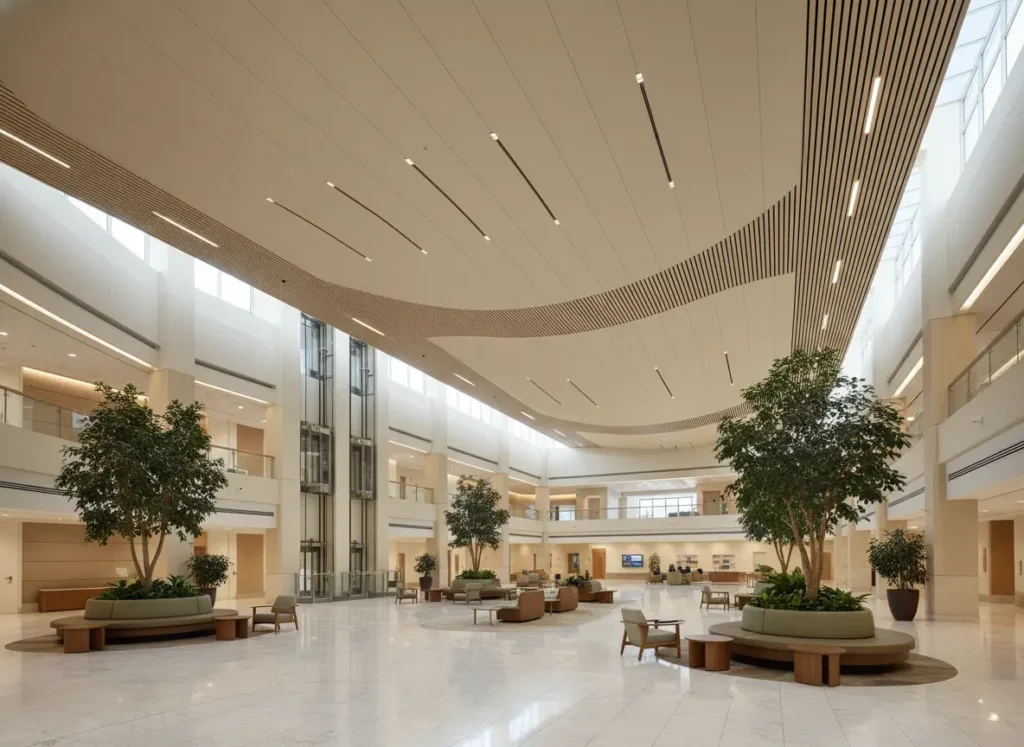
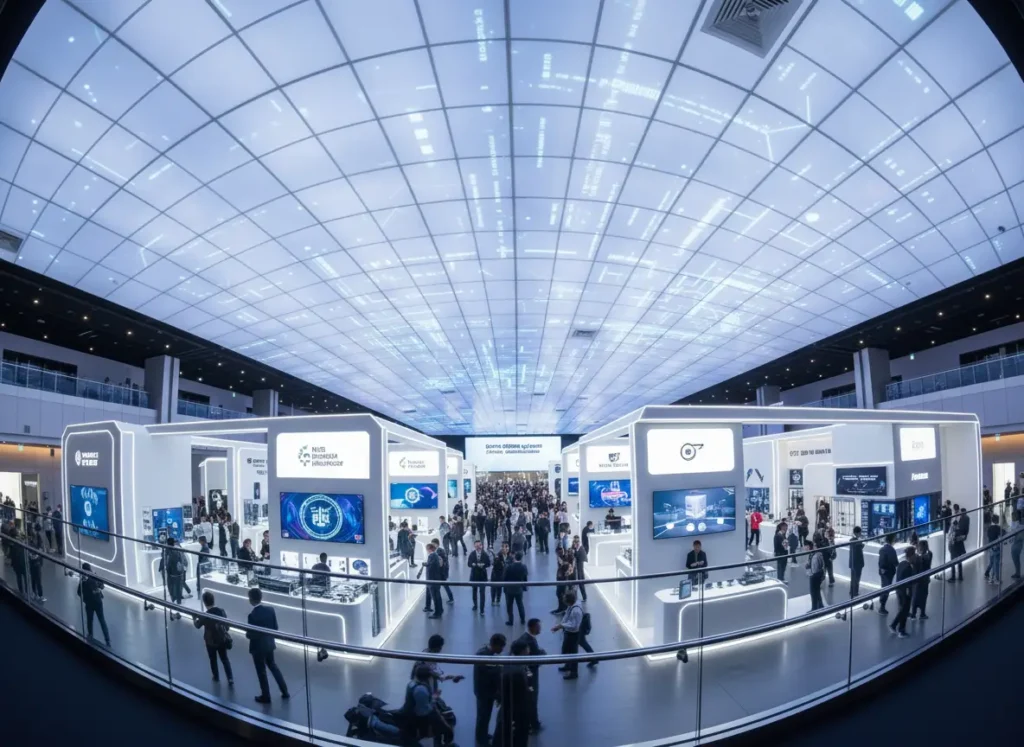
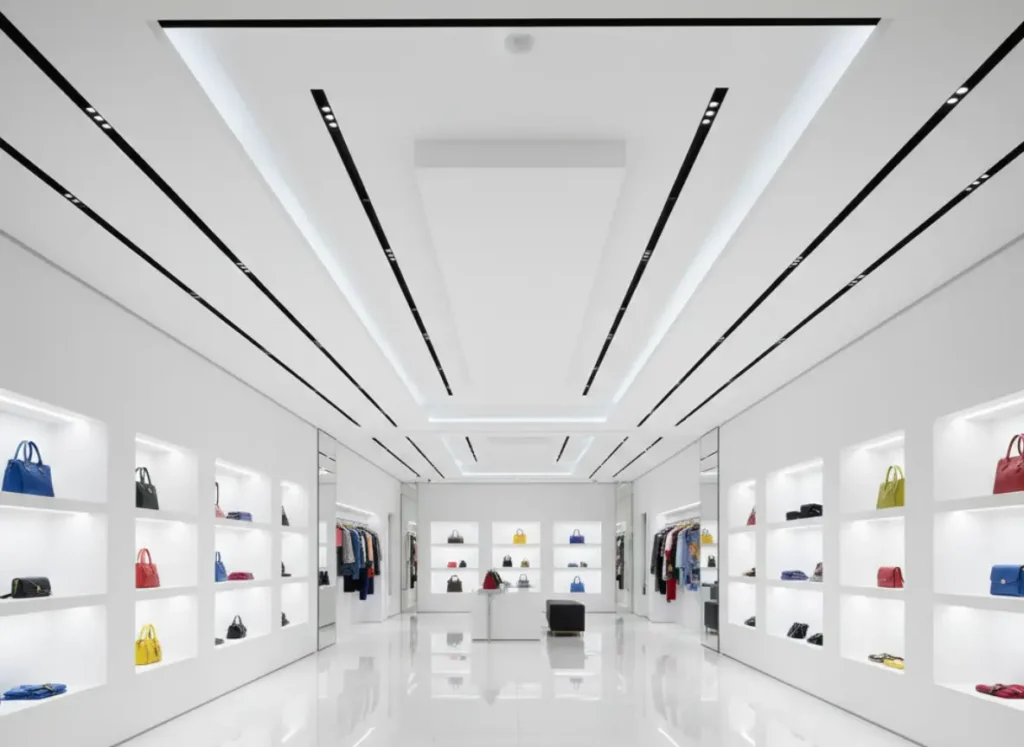
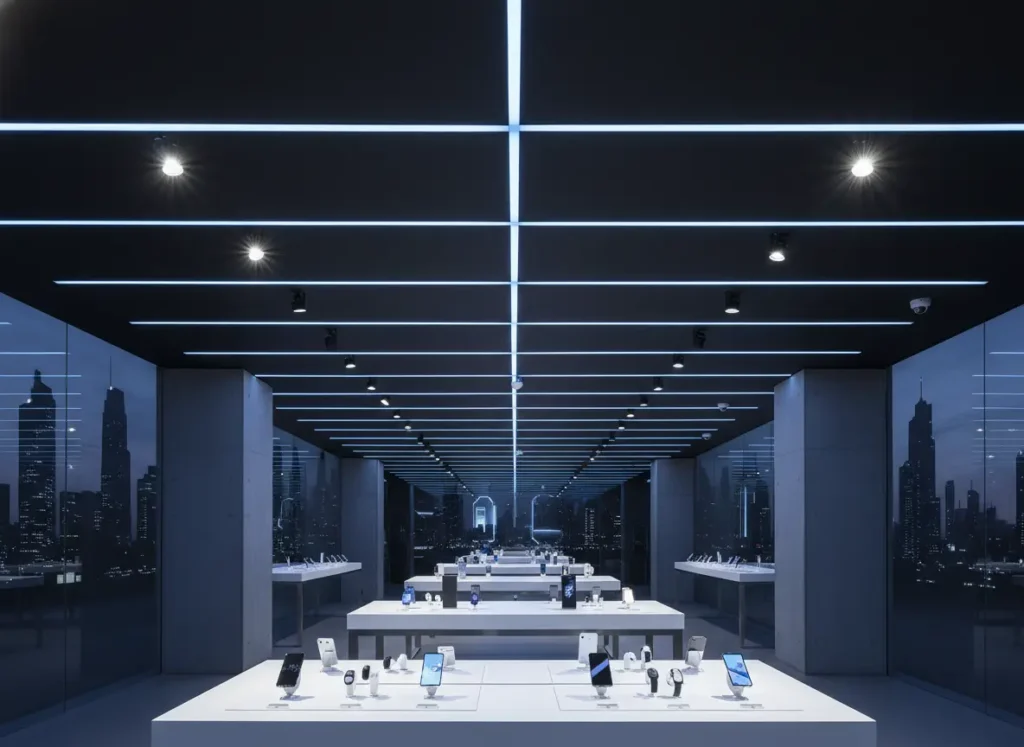
Product showrooms rely on lighting and ceiling design to highlight displays. Every display or products needs to be visible.
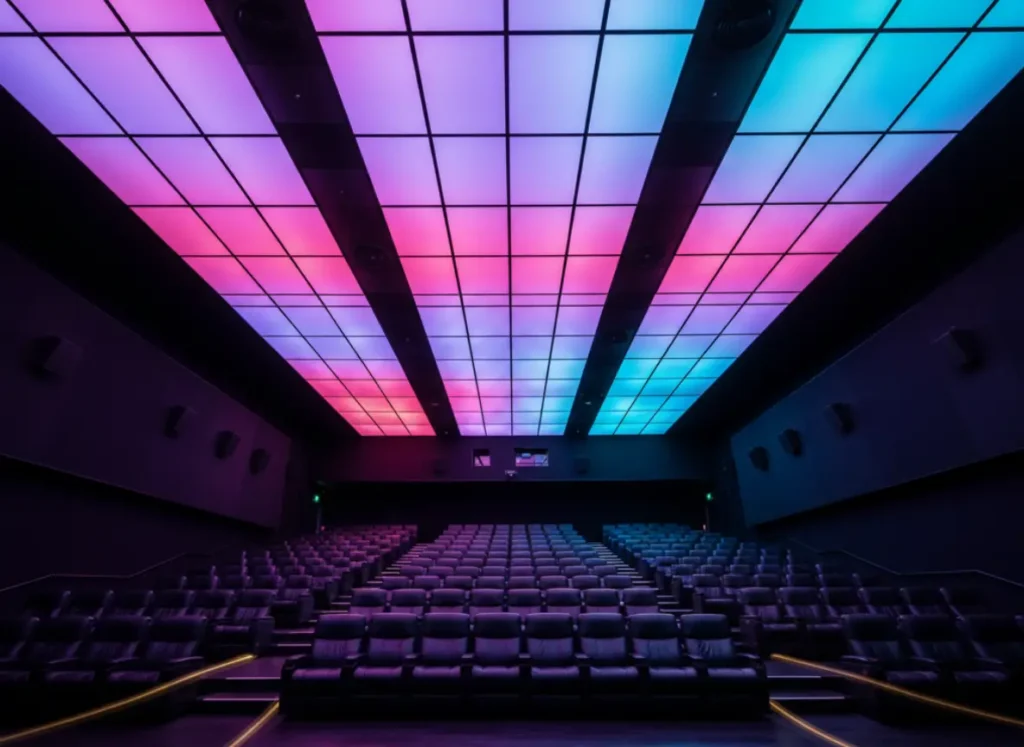
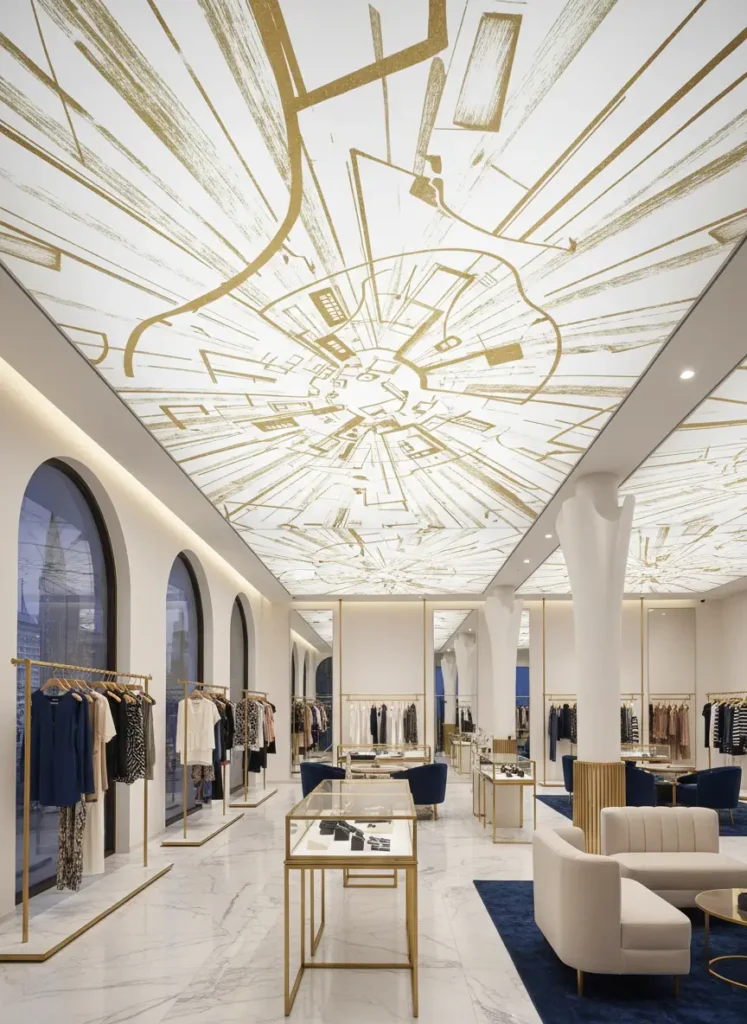
Stretch ceilings adapt easily to different interior environments because the system combines flexibility with modern design possibilities.
The membrane structure allows lighting integration, smooth ceiling finishes, and efficient installation across different room sizes and architectural layouts.
In residential interiors they help create clean modern ceilings. In commercial spaces they support lighting and visual design. In large buildings they allow designers to cover wide surfaces without heavy construction.
Stretch ceiling systems can adapt to many different interior environments.
Whether the project involves a residential space or a large commercial interior, the right ceiling solution depends on the design goals and technical requirements.