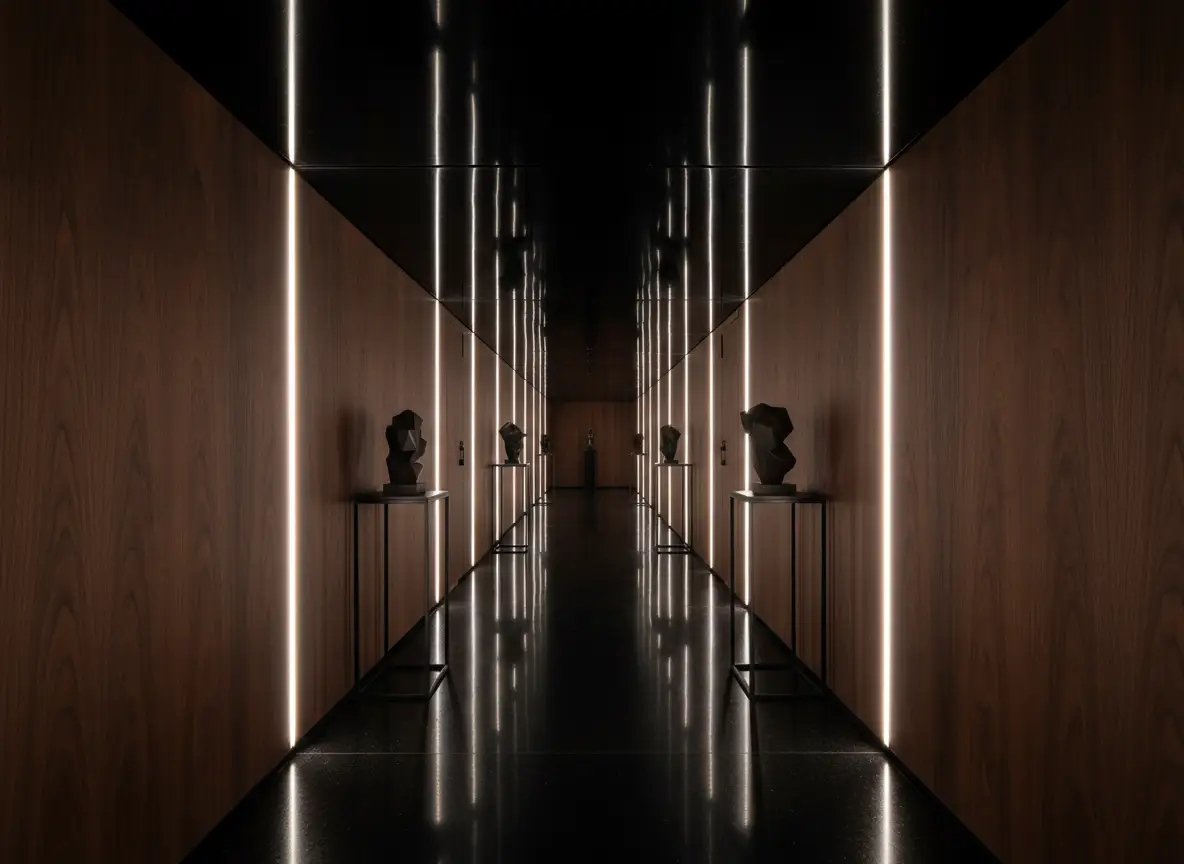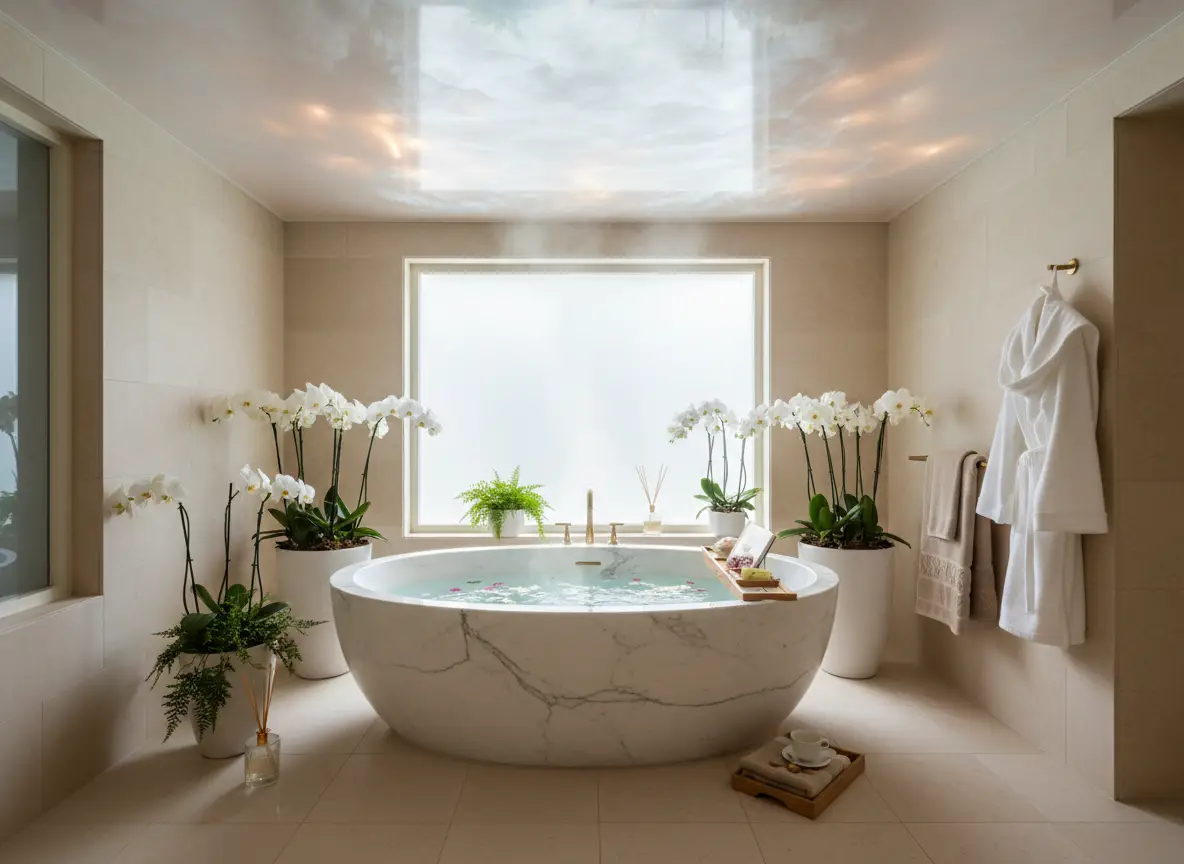
Ceilings are no longer treated as empty surfaces in modern architecture. Designers increasingly use them as visual and functional elements that influence lighting, spatial perception, and atmosphere.
Stretch ceilings have become a popular alternative to traditional ceiling materials because they allow architects to create seamless surfaces, integrate lighting, and introduce new design possibilities.
Unlike drywall or plaster ceilings, stretch ceilings use flexible membranes installed beneath the structural ceiling. This construction method allows them to deliver both aesthetic and practical advantages.
This article explains the key advantages that make stretch ceilings an attractive option for residential and commercial projects.
What Makes Stretch Ceilings Different
Traditional ceilings are typically constructed using plasterboard or drywall panels attached to a structural frame. The installation process involves multiple stages such as joint treatment, sanding, priming, and painting.
Stretch ceilings use a different approach. A flexible membrane is installed across an aluminum perimeter track and tensioned to create a perfectly smooth surface.
Because the membrane is manufactured as a continuous sheet, the final result does not contain visible joints or imperfections.
For a closer look at available finishes and materials see
[stretch ceiling materials and finishes] >> [stretch-ceiling-types]
1. Perfectly Smooth Ceiling Surfaces
One of the most noticeable advantages of stretch ceilings is the quality of the surface finish.
Drywall ceilings often develop:
• visible seams between panels
• small imperfections
• cracks over time
Stretch ceilings avoid these issues because the membrane creates a single continuous surface.
This makes them particularly suitable for modern interior design styles that emphasize clean lines and minimal visual distractions.
2. Faster Installation
Construction time is an important consideration for renovation projects and commercial developments.
Installing a drywall ceiling typically involves:
• framing installation
• gypsum board mounting
• joint compound application
• sanding and finishing
• painting
These steps require drying time, which can extend installation over several days.
Stretch ceilings can usually be installed in a single day.
The basic process includes:
• installing perimeter tracks
• heating the membrane
• stretching the material into the track
• integrating lighting elements
More details about the process can be found here
[stretch ceiling installation process] >> [stretch-ceiling-installation]
3. Greater Design Flexibility
Stretch ceilings allow designers to experiment with materials and visual effects that are difficult to achieve using traditional ceiling systems.
Available finishes include:
• matte surfaces for minimalist interiors
• glossy reflective ceilings
• satin finishes with soft light reflection
• printed graphics and decorative patterns
• translucent membranes for lighting effects
Because the material is flexible, stretch ceilings can also form curved or layered structures.
This allows designers to treat the ceiling as a central design element rather than a neutral background.
4. Integrated Lighting Possibilities
Lighting integration is one of the strongest advantages of stretch ceiling systems.
Lighting elements can be installed behind or within the ceiling surface.
Common solutions include:
• recessed LED spotlights
• LED strip lighting
• illuminated ceiling panels
• backlit translucent ceilings
This type of integration allows designers to create uniform lighting across large areas without visible fixtures.
Examples of lighting applications can be seen here
[stretch ceiling project portfolio] >> [portfolio]
5. Resistance to Cracking
Buildings naturally move due to structural settling and environmental changes.
Rigid ceiling materials such as drywall often develop cracks over time as a result.
Stretch ceilings behave differently because the membrane remains flexible. This flexibility allows the ceiling surface to adapt to small structural movements without visible damage.
6. Resistance to Humidity
Moisture can damage traditional ceiling materials.
Drywall surfaces may absorb water and eventually develop:
• stains
• deformation
• mold growth
PVC stretch ceilings do not absorb moisture, making them suitable for humid areas.
They are commonly installed in:
• bathrooms
• kitchens
• spa facilities
• indoor pools
7. Ability to Conceal Structural Elements
Stretch ceilings are installed slightly below the original ceiling surface.
This small gap allows installers to hide elements such as:
• electrical wiring
• ventilation ducts
• plumbing pipes
• uneven ceiling structures
This feature makes stretch ceilings particularly useful in renovation projects where the existing ceiling surface is damaged or irregular.
8. Minimal Maintenance Requirements
Maintenance is an important factor in long-term building costs.
Drywall ceilings often require periodic repainting and repairs.
Stretch ceilings require very little maintenance.
Basic care typically involves:
• wiping the surface with a soft cloth
• cleaning occasional stains with mild soap
Because the surface is non-porous, dust accumulation is limited.
Additional maintenance questions are addressed here
[stretch ceiling maintenance FAQ] >> [stretch-ceiling-faq]
9. Long Lifespan
When properly installed, stretch ceilings typically last between 15 and 25 years.
During that time they maintain:
• color stability
• smooth surface appearance
• structural integrity
This long lifespan makes them a cost-effective option in many interior design projects.
10. Lightweight Structure
Stretch ceilings are significantly lighter than traditional plasterboard constructions.
The membrane itself weighs very little, and the supporting structure consists mainly of aluminum perimeter tracks.
This lightweight structure reduces load on the building.
11. Improved Acoustic Comfort
Certain stretch ceiling systems include acoustic backing materials that help absorb sound.
These systems reduce echo and improve sound clarity in spaces such as:
• restaurants
• conference rooms
• offices
• theaters
12. Wide Range of Applications
Stretch ceilings are used in a wide variety of environments.
Residential applications include:
• living rooms
• bedrooms
• kitchens
• home theaters
Commercial applications include:
• hotels
• restaurants
• offices
• retail stores
• healthcare facilities
Their adaptability makes them suitable for both functional and decorative purposes.
Cost Considerations
Stretch ceiling costs depend on material type, lighting integration, and design complexity.
Typical price ranges include:
Basic matte stretch ceiling
$30 – $60 per m²
Glossy stretch ceiling
$40 – $80 per m²
Backlit stretch ceiling
$80 – $150 per m²
3D stretch ceiling
$120 – $250 per m²
For project consultation and pricing details visit
[stretch ceiling consultation] >> [contact]
Frequently Asked Questions
Are stretch ceilings durable?
Yes. Most stretch ceilings last between 15 and 25 years when installed correctly.
Are stretch ceilings waterproof?
PVC stretch ceilings are resistant to moisture and suitable for humid environments.
Can stretch ceilings be installed in bathrooms?
Yes. Their resistance to humidity makes them suitable for bathrooms and kitchens.
Can lighting be integrated into stretch ceilings?
Yes. LED strips, spotlights, and backlit panels can be incorporated within the system.
Are stretch ceilings expensive?
They may cost more initially than drywall ceilings, but their durability and low maintenance can offset the difference.
Conclusion
Stretch ceilings offer several advantages compared with traditional ceiling systems. Their seamless appearance, flexibility, and lighting integration make them a valuable design solution for modern interiors.
From residential spaces to commercial environments, stretch ceilings allow designers to transform ceilings into architectural features rather than simple structural surfaces.