Safety is an important concern in any interior construction project. When selecting ceiling materials, architects and property owners often want to understand how those materials perform in terms of fire resistance, indoor air quality, and structural safety.
Stretch ceilings are widely used in residential buildings, hotels, offices, and public spaces. Because of their increasing popularity, questions about their safety are common.
This article explains how stretch ceiling systems meet safety standards, how the materials behave in case of fire, and what certifications are typically required for modern installations.
Understanding Stretch Ceiling Materials
Stretch ceilings rely on a flexible membrane installed below the structural ceiling. The membrane is held in place by an aluminum perimeter track that is attached to the surrounding walls.
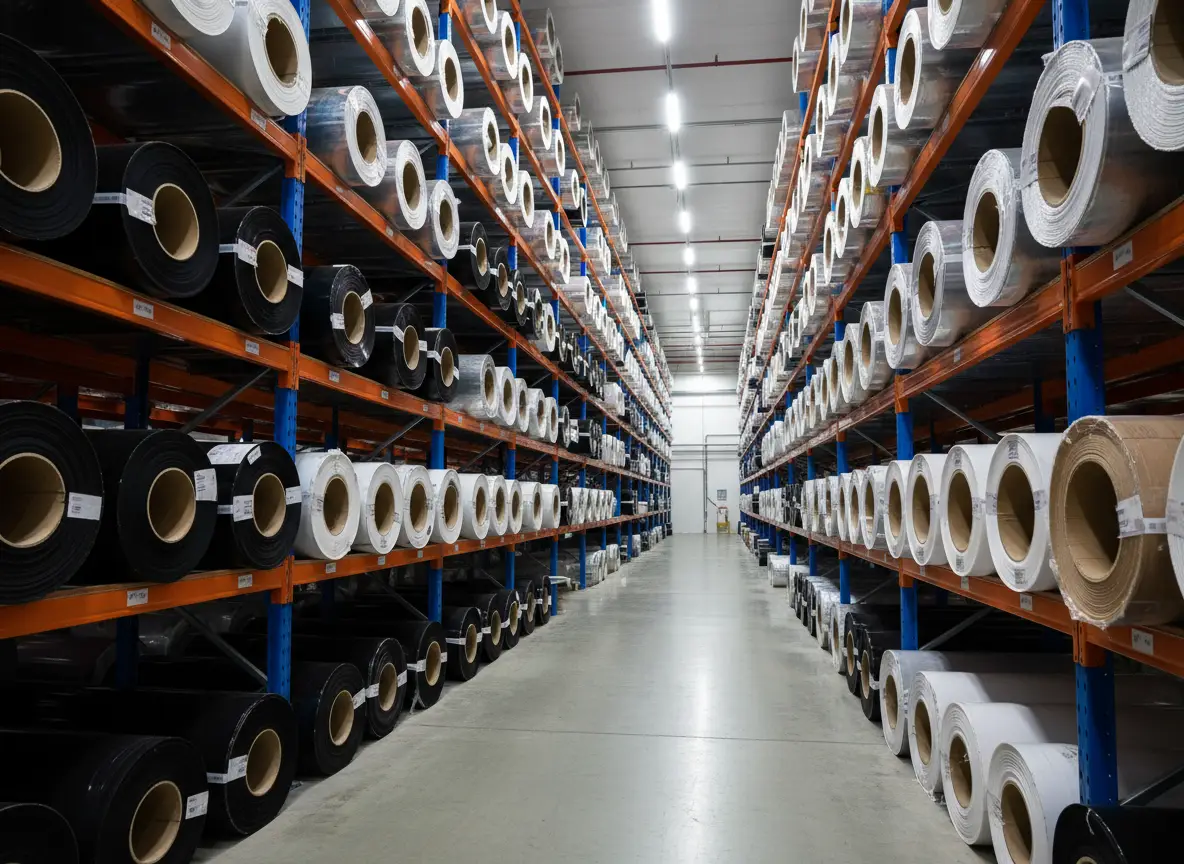
The membrane is usually made from either PVC or specialized textile materials. These materials are manufactured specifically for architectural use and must comply with building safety regulations.
High-quality stretch ceiling materials are produced according to industry standards that regulate:
• fire behavior
• indoor air emissions
• durability
• structural performance
An overview of the different membrane types used in these systems can be explored here
[stretch ceiling materials and finishes] >> [stretch-ceiling-types]
Fire Safety Performance
Fire behavior is one of the most important safety considerations for interior materials.
Most professional stretch ceiling membranes are manufactured using fire-retardant materials. This means the material does not easily ignite and does not support flame propagation.
Instead of spreading fire, certified membranes tend to shrink away from heat sources when exposed to extreme temperatures.
Typical fire classifications used for stretch ceiling membranes include European and international fire standards such as:
• B-s2,d0 classification under EN 13501
• flame retardant classifications under building codes
These ratings indicate that the material contributes very little to fire spread when used in properly designed buildings.
Behavior During High Temperatures
Stretch ceiling membranes behave differently from rigid ceiling materials during extreme heat.
In very high temperatures the membrane may soften and retract toward the perimeter track. This behavior helps prevent the ceiling surface from collapsing into large fragments.
Because the membrane is lightweight, it does not create heavy debris if it loses tension.
This characteristic can reduce the risk of injury compared with some rigid ceiling materials.
Indoor Air Quality and Health
Another frequent concern involves indoor air quality.
High-quality stretch ceiling materials used in professional installations are manufactured to comply with indoor air emission standards.
These materials are tested to ensure they do not release harmful levels of volatile organic compounds (VOCs).
Modern membranes are commonly certified according to indoor air quality standards used in construction and interior design.
When properly installed, stretch ceilings do not negatively affect indoor air quality.
Materials Used in Certified Stretch Ceilings
Certified stretch ceiling systems typically use specialized PVC membranes or coated polyester fabrics designed specifically for architectural applications.
These materials are manufactured under controlled conditions to ensure consistent quality.
Typical characteristics include:
• non-toxic materials
• resistance to humidity
• stable color performance
• long lifespan
Because the membranes are produced for interior use, they must meet safety requirements before they can be sold for construction projects.
Safety of Lighting Integration
Stretch ceilings are often used with integrated lighting systems. This raises questions about heat and electrical safety.
Professional installations include special mounting systems that isolate lighting fixtures from the membrane surface.
Reinforced rings are installed around lighting openings to prevent stress on the membrane. These rings allow fixtures such as LED spotlights or ventilation grilles to be mounted safely.
Modern LED lighting produces very little heat, which makes it compatible with stretch ceiling installations.
Examples of lighting integration can be seen here
[stretch ceiling project portfolio] >> [portfolio]
Resistance to Humidity and Mold
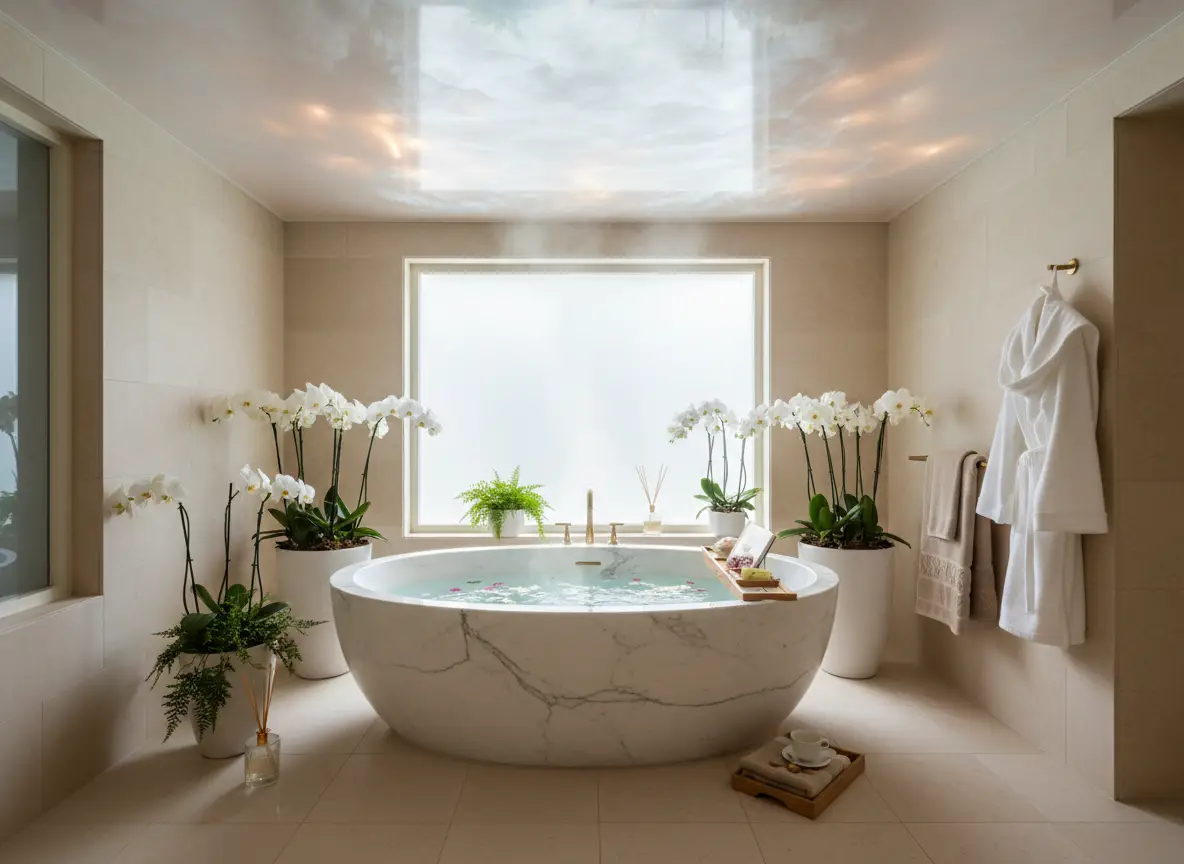
Stretch ceiling membranes do not absorb moisture. This characteristic helps prevent mold development in environments where humidity may be present.
This makes stretch ceilings suitable for environments such as:
• bathrooms
• kitchens
• spa facilities
• indoor swimming areas
Proper room ventilation is still necessary, but the membrane itself does not promote mold growth.
Structural Safety
Stretch ceilings are lightweight structures that place very little load on building walls.
The membrane is supported by an aluminum perimeter track, and the entire system weighs significantly less than traditional plaster or drywall ceilings.
Because of this, stretch ceilings do not require heavy structural reinforcement.
This lightweight structure contributes to their safety and ease of installation.
Safety in Commercial Buildings
Stretch ceilings are widely used in commercial buildings including hotels, restaurants, retail spaces, and offices.
Before installation in public environments, materials must comply with fire safety regulations and building standards required by local authorities.
Professional installers ensure that the materials used meet the appropriate certifications for the project.
Stretch ceilings are also compatible with technical systems such as:
• ventilation systems
• fire detectors
• sprinkler installations
The ceiling design can accommodate these systems without compromising safety.
Maintenance and Long-Term Safety
Stretch ceilings require minimal maintenance, which contributes to long-term safety and reliability.
Typical maintenance includes:
• occasional cleaning
• inspection of lighting fixtures
• ensuring ventilation systems remain accessible
Because the membrane does not crack or deteriorate like painted ceilings, it remains stable over time.
Maintenance questions are addressed in more detail here
[stretch ceiling maintenance FAQ] >> [stretch-ceiling-faq]
Professional Installation and Safety
Proper installation is essential to ensure the safety of stretch ceiling systems.
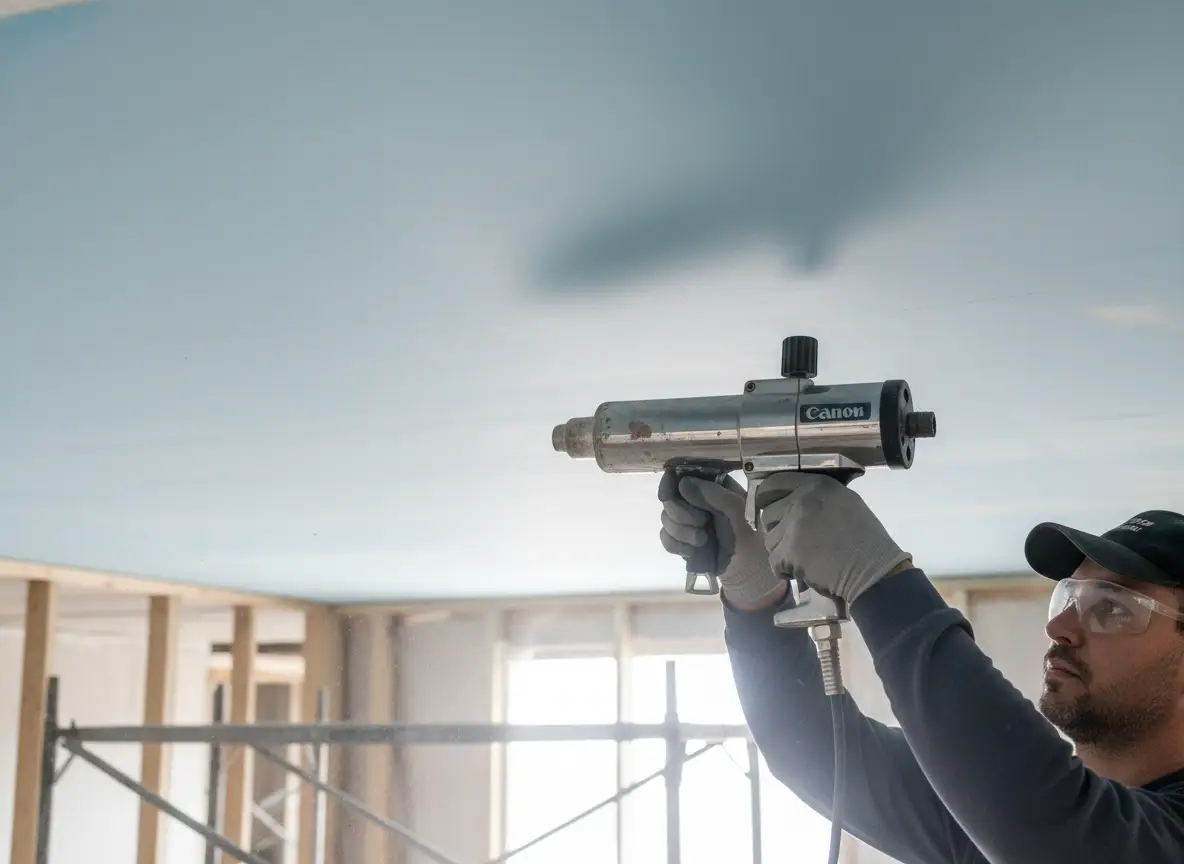
Professional installers follow specific procedures when installing the membrane and integrating lighting or ventilation components.
These procedures include:
• precise room measurements
• correct perimeter track installation
• safe mounting of lighting supports
• controlled membrane tensioning
Incorrect installation may lead to poor membrane tension or misaligned fixtures.
For professional installation services see
[stretch ceiling services] >> [services]
Frequently Asked Questions
Are stretch ceilings fire resistant?
Most professional stretch ceiling membranes are manufactured with fire-retardant properties and comply with recognized fire safety standards.
Do stretch ceilings release harmful chemicals?
Certified stretch ceiling materials are designed to meet indoor air quality regulations and do not release harmful levels of emissions.
Can stretch ceilings be used in public buildings?
Yes. Stretch ceilings are widely used in commercial and public spaces such as hotels, restaurants, offices, and retail stores.
Are stretch ceilings safe with lighting fixtures?
Yes. Reinforced mounting systems allow lighting fixtures to be installed safely without damaging the membrane.
Do stretch ceilings support sprinkler systems and detectors?
Yes. Stretch ceiling systems can accommodate fire safety equipment such as sprinklers and smoke detectors.
Conclusion
Stretch ceilings are designed to meet modern building safety standards. Certified materials offer fire-retardant properties, stable indoor air performance, and compatibility with lighting and technical systems.
Because they are lightweight, durable, and resistant to humidity, stretch ceilings are widely used in both residential and commercial environments.
When installed by experienced professionals and combined with certified materials, stretch ceiling systems provide a safe and reliable ceiling solution for modern interiors.