Stretch ceilings are used in a wide range of architectural environments because they combine design flexibility with practical performance. Unlike traditional ceiling finishes that mainly serve as structural surfaces, stretch ceilings can influence lighting, acoustics, and spatial perception.
However, some spaces benefit more than others from this type of ceiling system. Understanding where stretch ceilings perform best helps architects and property owners make better design decisions.
This guide explains the environments where stretch ceilings deliver the greatest advantages and why they are often selected for both residential and commercial interiors.
Why Space Selection Matters for Ceiling Design
Every room has different functional requirements. Lighting conditions, humidity levels, acoustic needs, and maintenance expectations vary from one environment to another.
Because stretch ceilings offer specific technical advantages, they are particularly effective in spaces where these factors play an important role.
Some of the main benefits that influence room selection include:
• seamless surface appearance
• resistance to humidity
• lighting integration possibilities
• minimal maintenance requirements
• ability to conceal structural elements
A detailed overview of available finishes and materials can be found here
[stretch ceiling materials and finishes] >> [stretch-ceiling-types]
Living Rooms
Living rooms are one of the most common residential applications for stretch ceilings. This is because the ceiling often plays an important visual role in these spaces.
Stretch ceilings allow designers to create clean surfaces that complement modern interior styles. In addition, integrated lighting solutions can transform the atmosphere of the room.
Common design approaches include:
• perimeter LED lighting for soft ambient light
• glossy ceilings that reflect natural light
• layered ceiling structures for modern interiors
Because the ceiling surface is perfectly smooth, it helps create a refined visual environment.
Bedrooms
Bedrooms benefit from stretch ceilings mainly because of their lighting possibilities and calm visual appearance.
Many homeowners prefer soft indirect lighting in sleeping areas rather than harsh overhead fixtures.
Stretch ceilings allow lighting systems such as:
• perimeter LED strips
• backlit ceiling panels
• dimmable ambient lighting
These solutions provide gentle illumination while keeping the ceiling visually uncluttered.
Star ceiling effects are also sometimes used in luxury bedrooms to create a relaxing atmosphere.
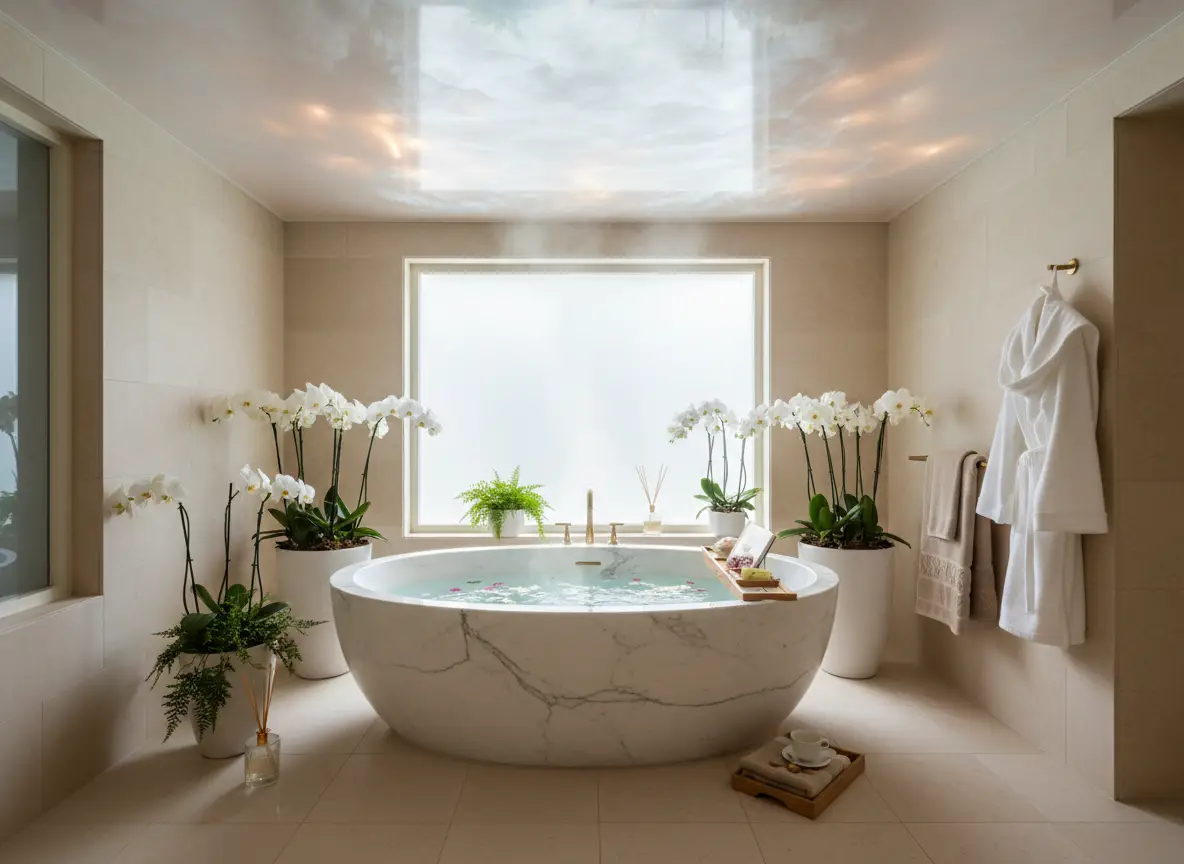
Bathrooms
Bathrooms are environments where humidity resistance becomes essential. Traditional ceiling materials such as plasterboard can deteriorate over time when exposed to moisture.
Stretch ceilings made from PVC membranes are resistant to humidity and do not absorb water.
This makes them suitable for:
• residential bathrooms
• spa facilities
• wellness centers
• hotel bathrooms
In addition to moisture resistance, stretch ceilings also allow integrated lighting solutions that improve visibility in bathroom spaces.
Kitchens
Kitchens are another environment where stretch ceilings can perform well due to their easy maintenance.
Cooking often produces grease particles and humidity that may affect traditional painted ceilings.
Stretch ceiling surfaces can be cleaned easily with a soft cloth and mild cleaning solution. This reduces long-term maintenance compared with repainting traditional ceilings.
Lighting integration is also useful in kitchens, where both task lighting and ambient lighting are needed.
Home Theaters
Home theaters require careful lighting control and acoustic comfort. Stretch ceilings can contribute to both.
Lighting can be integrated in ways that prevent glare on screens, such as:
• perimeter lighting systems
• dimmable LED strips
• star ceiling effects
Acoustic stretch ceiling systems can also help reduce sound reflections, improving the listening experience.
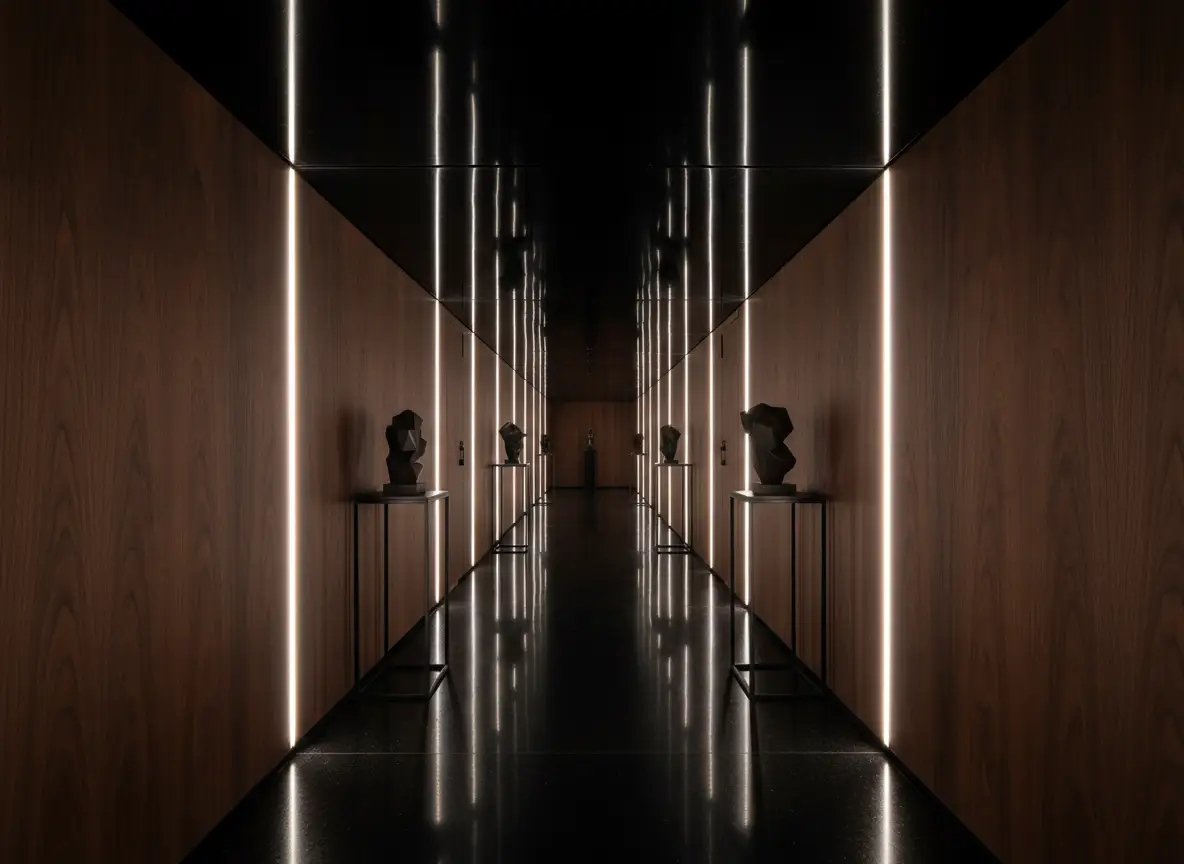
Hotel Lobbies
In hospitality architecture, ceilings often become a central design element. Hotel lobbies use ceiling design to create visual impact for arriving guests.
Stretch ceilings allow designers to create large seamless surfaces and integrate dramatic lighting installations.
Examples include:
• illuminated ceiling panels
• glossy reflective ceilings
• curved ceiling structures
These solutions help establish a strong visual identity for the space.
Examples of completed projects can be viewed here
[stretch ceiling project portfolio] >> [portfolio]
Restaurants
Restaurants rely heavily on atmosphere and lighting to influence customer experience.
Stretch ceilings can help create controlled lighting environments where the brightness and color temperature support the desired mood.
Common restaurant applications include:
• indirect perimeter lighting
• illuminated ceiling panels
• decorative printed ceilings
These systems allow designers to create distinct dining environments while maintaining easy maintenance for restaurant operators.
Retail Stores
Retail design often uses lighting to highlight products and guide customer movement through the space.
Stretch ceilings provide a clean background that supports product displays without visual clutter.
They are often combined with:
• recessed LED spotlights
• illuminated ceiling grids
• decorative ceiling graphics
These lighting solutions improve product visibility and create a modern retail environment.
Office Spaces
Modern office design increasingly emphasizes comfort and productivity. Ceiling design can contribute to both visual comfort and acoustic control.
Stretch ceilings can be used to integrate:
• uniform LED lighting panels
• acoustic ceiling systems
• minimalist ceiling designs
Because the membrane surface reflects light efficiently, offices can achieve consistent lighting distribution.
Hospitals and Healthcare Facilities
Healthcare environments require surfaces that are easy to clean and maintain.
Stretch ceilings can meet these requirements because they are:
• smooth and non-porous
• resistant to humidity
• easy to clean
In addition, backlit stretch ceilings are sometimes used in healthcare environments to create soft lighting that reduces visual stress for patients.
Commercial Spaces with Complex Ceiling Structures
Some architectural environments include complex ceiling layouts with ducts, wiring, and ventilation systems.
Stretch ceilings can hide these elements while maintaining access when necessary.
This makes them useful for:
• shopping centers
• conference halls
• exhibition spaces
The membrane system allows designers to maintain a clean visual appearance even in technically complex environments.
For installation details see
[stretch ceiling installation process] >> [stretch-ceiling-installation]
Large Open Spaces
Large spaces such as conference halls or retail environments require uniform lighting and visually consistent ceilings.
Stretch ceilings allow designers to install large continuous surfaces without the visible joints often seen in drywall ceilings.
This helps maintain visual coherence across large areas.
Renovation Projects
Stretch ceilings are particularly useful in renovation projects because they can be installed below existing ceilings.
This allows installers to cover:
• cracked plaster ceilings
• uneven structural surfaces
• outdated lighting systems
The new ceiling surface can be installed without major structural work.
When Stretch Ceilings May Not Be Necessary
Although stretch ceilings offer many advantages, they are not required in every situation.
Simple utility spaces such as storage rooms or service areas may not benefit from advanced ceiling systems.
In these cases, basic drywall ceilings may be sufficient.
However, in spaces where design, lighting, or durability matter, stretch ceilings often provide additional value.
Planning a Stretch Ceiling Project
Successful stretch ceiling installations require planning during the early design phase.
Important planning considerations include:
• room lighting requirements
• ceiling height
• placement of ventilation systems
• electrical access points
Working with experienced installers helps ensure that the final ceiling design performs both technically and visually.
For consultation regarding stretch ceiling projects see
[stretch ceiling consultation] >> [contact]
Frequently Asked Questions
Can stretch ceilings be used in any room?
Yes. Stretch ceilings can be installed in most interior environments, including residential and commercial spaces.
Are stretch ceilings suitable for humid rooms?
Yes. PVC stretch ceilings resist humidity and are commonly used in bathrooms and spa environments.
Do stretch ceilings reduce room height?
They are typically installed slightly below the structural ceiling, but the reduction in height is usually minimal.
Are stretch ceilings suitable for commercial environments?
Yes. They are widely used in hotels, restaurants, offices, and retail stores.
Can stretch ceilings be installed during renovation?
Yes. They are often installed below existing ceilings, making them suitable for renovation projects.
Conclusion
Stretch ceilings provide practical and visual advantages in many architectural environments. Their ability to integrate lighting, resist humidity, and create seamless surfaces makes them particularly effective in spaces where design and functionality matter.
From residential living rooms to large commercial environments, stretch ceilings allow architects and designers to transform ceilings into active elements of interior design.
When properly planned and installed, they provide long-term durability and design flexibility across a wide range of applications.