Stretch ceilings are known for their clean appearance and long lifespan. Unlike traditional plaster or drywall ceilings that often require repainting and repairs, stretch ceilings are designed to remain stable and visually consistent for many years.
However, proper maintenance is still important to keep the surface looking its best. Fortunately, stretch ceiling care is simple compared with many other ceiling materials.
This guide explains how stretch ceilings should be cleaned, what products are safe to use, and how to avoid damage during maintenance.
Why Stretch Ceilings Require Minimal Maintenance
Stretch ceilings are made from flexible membranes designed to resist dust, humidity, and environmental changes. Most stretch ceiling membranes have non-porous surfaces that prevent dirt from penetrating the material.
Because of this, dust and stains usually remain on the surface and can be removed easily.
Compared with traditional ceilings, stretch ceilings offer several maintenance advantages:
• they do not require repainting
• they resist cracking
• they do not absorb moisture
• they maintain a smooth surface over time
These characteristics make them popular in both residential and commercial interiors.
For more details about available materials see
[stretch ceiling materials and finishes] >> [stretch-ceiling-types]
How Often Stretch Ceilings Need Cleaning
Stretch ceilings generally require very little cleaning.
In most residential environments, light cleaning once or twice per year is sufficient.
Commercial environments such as restaurants, hotels, or retail stores may require more frequent cleaning depending on environmental conditions.
Typical cleaning frequency may include:
Residential spaces
• once or twice per year
Commercial spaces
• every 3 to 6 months
High-traffic environments
• as needed depending on dust or grease exposure
Regular light cleaning helps maintain the appearance of the ceiling without requiring intensive maintenance.
Basic Cleaning Method
Cleaning a stretch ceiling does not require specialized equipment. A few basic tools are usually enough.
Recommended cleaning materials include:
• microfiber cloth
• soft sponge
• lukewarm water
• mild soap solution
Cleaning process:
- Wipe the ceiling gently with a microfiber cloth.
- If needed, apply a small amount of mild soap diluted in water.
- Clean the surface with gentle circular movements.
- Dry the area using a clean cloth.
Avoid excessive pressure when cleaning the membrane.
Cleaning Glossy Stretch Ceilings
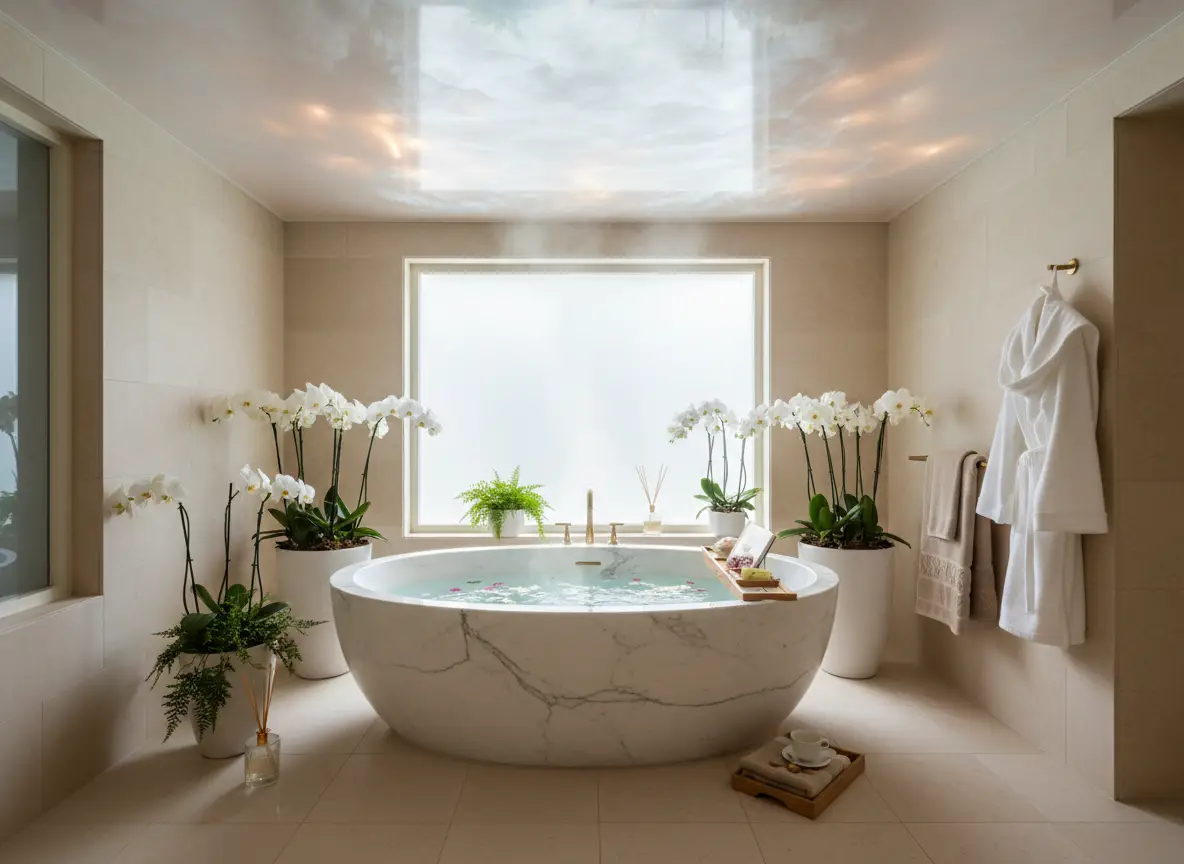
Glossy stretch ceilings have reflective surfaces that require slightly different cleaning techniques.
Dust and fingerprints may be more visible on glossy finishes because the surface reflects light.
To clean glossy ceilings:
• use a soft microfiber cloth
• avoid rough cleaning pads
• wipe gently to prevent streaks
Using distilled water instead of tap water can sometimes help avoid streak marks.
Examples of glossy ceiling applications can be seen here
[stretch ceiling project portfolio] >> [portfolio]
Removing Stains from Stretch Ceilings
Occasionally stretch ceilings may develop stains caused by environmental factors.
Common sources of stains include:
• grease from cooking
• smoke residue
• fingerprints near lighting fixtures
To remove stains:
- Use a mild soap solution.
- Apply it gently with a soft sponge.
- Rinse with a damp cloth.
- Dry the surface carefully.
Avoid aggressive cleaning products.
Cleaning Stretch Ceilings in Kitchens
Kitchens may produce grease particles that accumulate on ceiling surfaces.
Stretch ceilings perform well in kitchens because their non-porous membranes do not absorb grease.
However, occasional cleaning may still be necessary.
Use the following approach:
• wipe the surface with a mild soap solution
• avoid abrasive cleaning tools
• dry the surface after cleaning
Regular ventilation in the kitchen helps reduce grease accumulation.
Cleaning Stretch Ceilings in Bathrooms
Bathrooms are humid environments where condensation can appear on ceiling surfaces.
Stretch ceilings resist humidity, which makes them suitable for bathrooms.
Cleaning usually involves wiping away water spots or condensation marks using a soft cloth.
Because the membrane does not absorb moisture, mold growth is unlikely when the room is properly ventilated.
What Products Should Not Be Used
Certain cleaning products can damage stretch ceiling membranes.
Avoid using:
• abrasive cleaning powders
• strong solvents
• bleach-based chemicals
• alcohol-based cleaners
• rough brushes or scouring pads
These products can affect the membrane surface or remove protective coatings.
When in doubt, always test cleaning products on a small hidden area first.
Preventing Damage to Stretch Ceilings
Stretch ceilings are durable but still require reasonable care.
The membrane can be punctured by sharp objects.
Avoid contact with:
• sharp tools
• ladders with exposed edges
• pointed decorative elements
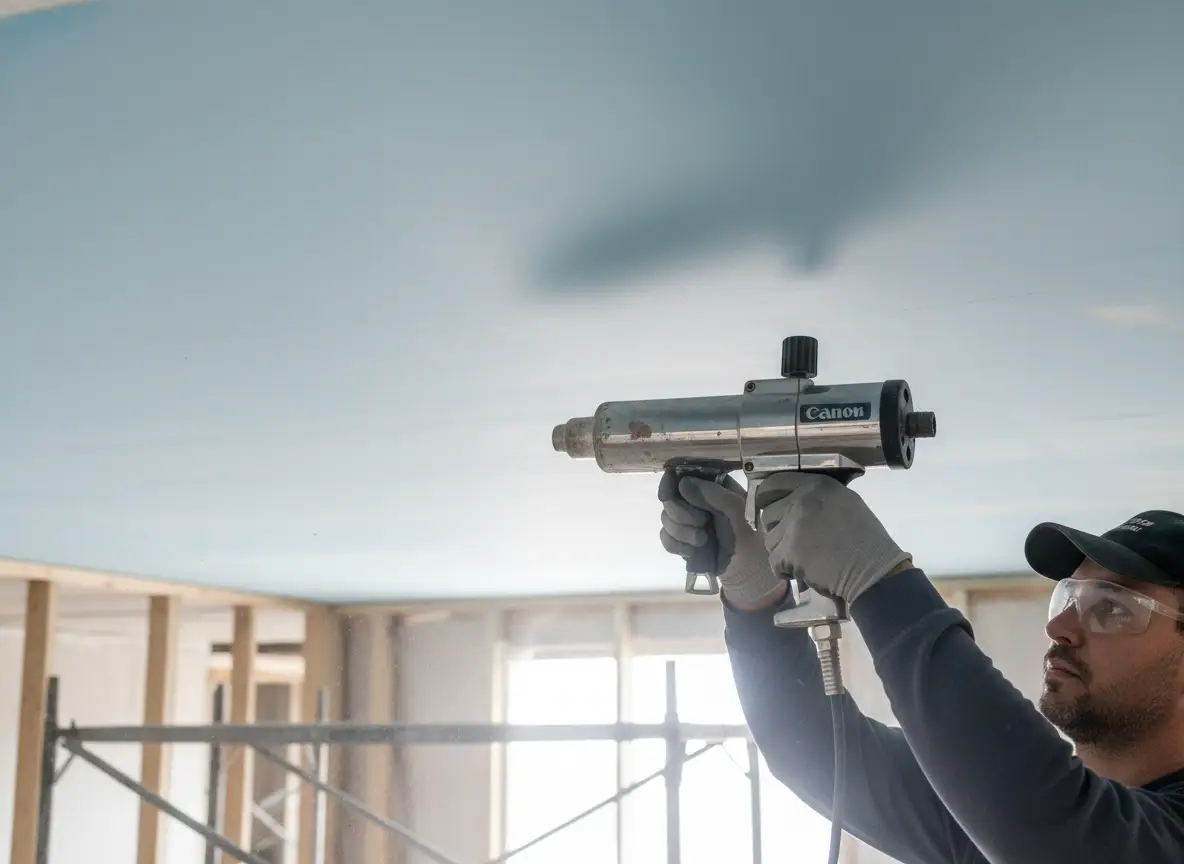
During renovations or furniture installation, it is recommended to protect the ceiling from accidental damage.
Lighting Maintenance
Lighting fixtures integrated into stretch ceilings may require occasional maintenance.
Access to lighting systems is typically provided through reinforced openings.
If lighting fixtures need replacement or repair, it is recommended to contact professional installers.
Improper handling of fixtures can damage the membrane.
Details about installation methods can be found here
[stretch ceiling installation process] >> [stretch-ceiling-installation]
What to Do in Case of Water Leaks
One of the advantages of PVC stretch ceilings is their ability to contain water if a leak occurs above the ceiling.
The membrane can temporarily hold significant amounts of water without tearing.
If water accumulation occurs:
- Do not attempt to puncture the membrane.
- Contact professional installers.
- The membrane can usually be drained and reinstalled.
This feature can prevent damage to floors and furniture during leaks.
Long-Term Durability
Stretch ceilings are designed to maintain their appearance for many years.
Typical lifespan ranges between 15 and 25 years depending on material quality and environmental conditions.
Because the membrane does not crack or peel like painted surfaces, it maintains its visual quality with minimal maintenance.
Professional Cleaning Services
Large commercial spaces sometimes require professional cleaning services.
Professional cleaning may be recommended in environments such as:
• restaurants
• shopping centers
• hotels
• large office spaces
Professional teams use specialized equipment designed for stretch ceiling materials.
For consultation regarding maintenance or installation see
[stretch ceiling consultation] >> [contact]
Maintenance Tips for Long-Term Performance
A few simple habits help maintain stretch ceilings in excellent condition.
Recommended practices include:
• dust the ceiling occasionally using a soft cloth
• maintain proper room ventilation
• clean stains promptly
• avoid contact with sharp objects
These practices ensure the ceiling maintains its original appearance.
Frequently Asked Questions
How often should stretch ceilings be cleaned?
Most residential ceilings only require light cleaning once or twice per year.
Can stretch ceilings be washed?
Yes. They can be cleaned using water and mild soap.
Are stretch ceilings resistant to stains?
Most stretch ceiling membranes resist stains because they are non-porous.
Can stretch ceilings be damaged during cleaning?
Yes, if abrasive tools or strong chemicals are used.
What should I do if my stretch ceiling becomes punctured?
Small punctures should be repaired by professional installers to prevent further damage.
Conclusion
Stretch ceilings require significantly less maintenance than many traditional ceiling materials. Their smooth non-porous surfaces resist dust, humidity, and cracking, allowing them to maintain their appearance for many years.
Regular gentle cleaning and basic care are usually enough to keep the ceiling in excellent condition.
With proper maintenance, stretch ceilings remain a durable and visually appealing solution for both residential and commercial interiors.