Stretch ceilings are increasingly used in residential and commercial interiors because they combine clean design with practical benefits. One of the most common questions from property owners and architects concerns pricing. Understanding what determines the cost of a stretch ceiling helps avoid unrealistic expectations and allows better project planning.
The price of a stretch ceiling depends on several factors including material type, lighting integration, room size, installation complexity, and custom design elements.
This guide explains how stretch ceiling pricing works and what influences the final project cost.
Understanding Stretch Ceiling Pricing
Stretch ceilings are not priced the same way as traditional plaster ceilings. Instead of estimating only labor and raw materials, stretch ceiling pricing usually includes the custom manufacturing of the membrane, installation hardware, and professional installation.
Most suppliers calculate pricing per square meter (m²).
However, the final cost can vary significantly depending on the design and technical requirements of the project.
For details about available materials and finishes see
[stretch ceiling materials and finishes] >> [stretch-ceiling-types]
Average Stretch Ceiling Price per m²
Below are typical price ranges for stretch ceilings based on international market averages.
| Stretch Ceiling Type | Average Price per m² |
|---|---|
| Basic Matte Stretch Ceiling | $30 – $60 |
| Satin Stretch Ceiling | $35 – $70 |
| Glossy Stretch Ceiling | $40 – $80 |
| Printed Stretch Ceiling | $60 – $120 |
| Backlit Stretch Ceiling | $80 – $150 |
| 3D Stretch Ceiling Design | $120 – $250 |
These figures include both materials and installation but may vary depending on the country, supplier, and project complexity.
Factor 1: Ceiling Material
Stretch ceilings are typically made from either PVC membrane or polyester fabric systems.
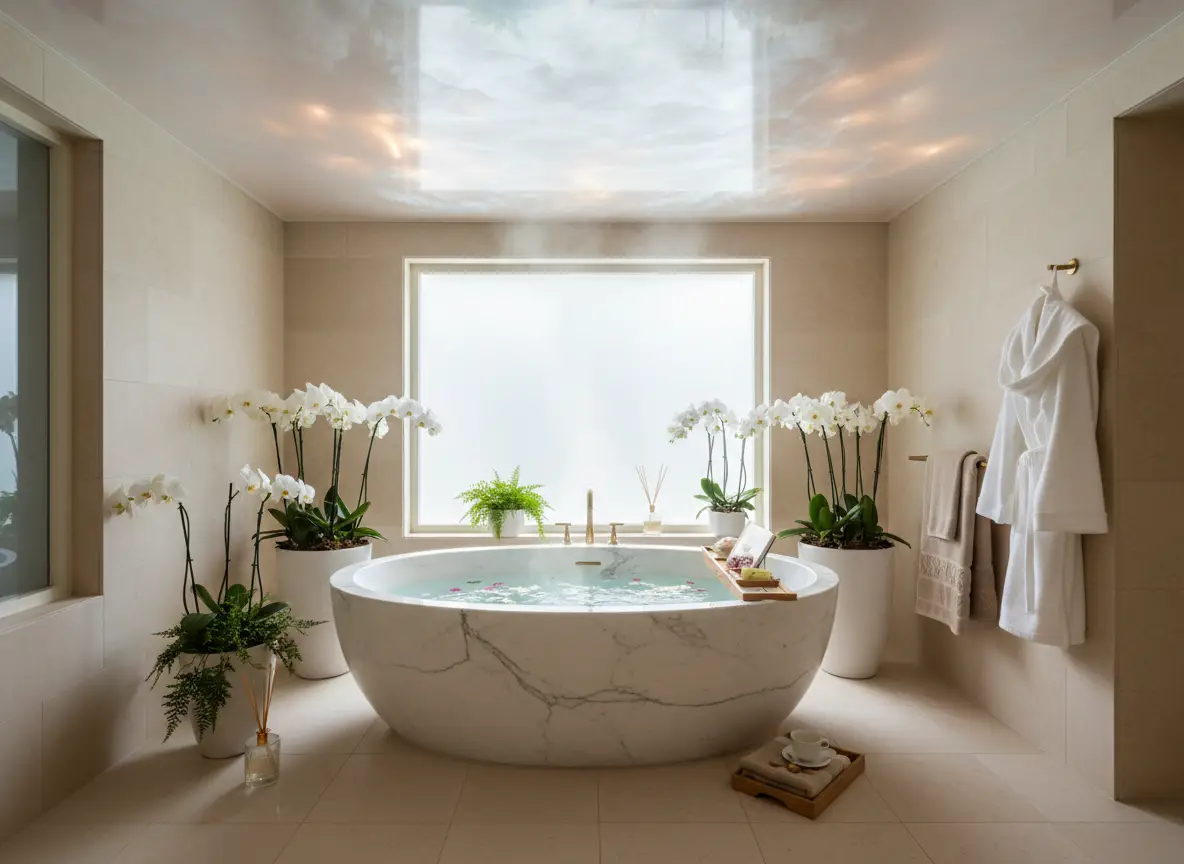
PVC membranes are the most common option and allow for a wide range of finishes such as glossy, matte, satin, or translucent surfaces.
Fabric stretch ceilings tend to cost slightly more because they use different installation techniques and specialized materials.
The material chosen will affect both price and visual appearance.
Factor 2: Ceiling Finish and Design
The finish of the ceiling plays a major role in determining price.
Simple matte finishes are usually the most affordable. These ceilings create a smooth, modern surface without reflections.
More complex finishes increase the cost because they require specialized materials or manufacturing processes.
Examples include:
• glossy mirror ceilings
• printed ceiling graphics
• translucent lighting ceilings
• metallic finishes
Design complexity can also increase installation time.
Examples of completed installations can be seen here
[stretch ceiling installation portfolio] >> [portfolio]
Factor 3: Lighting Integration
Lighting integration is one of the most important cost factors.
Basic stretch ceilings with simple recessed lights remain relatively affordable. However, advanced lighting systems can significantly increase the total price.
Common lighting options include:
• recessed LED spotlights
• perimeter LED strips
• backlit ceiling panels
• fiber optic lighting systems
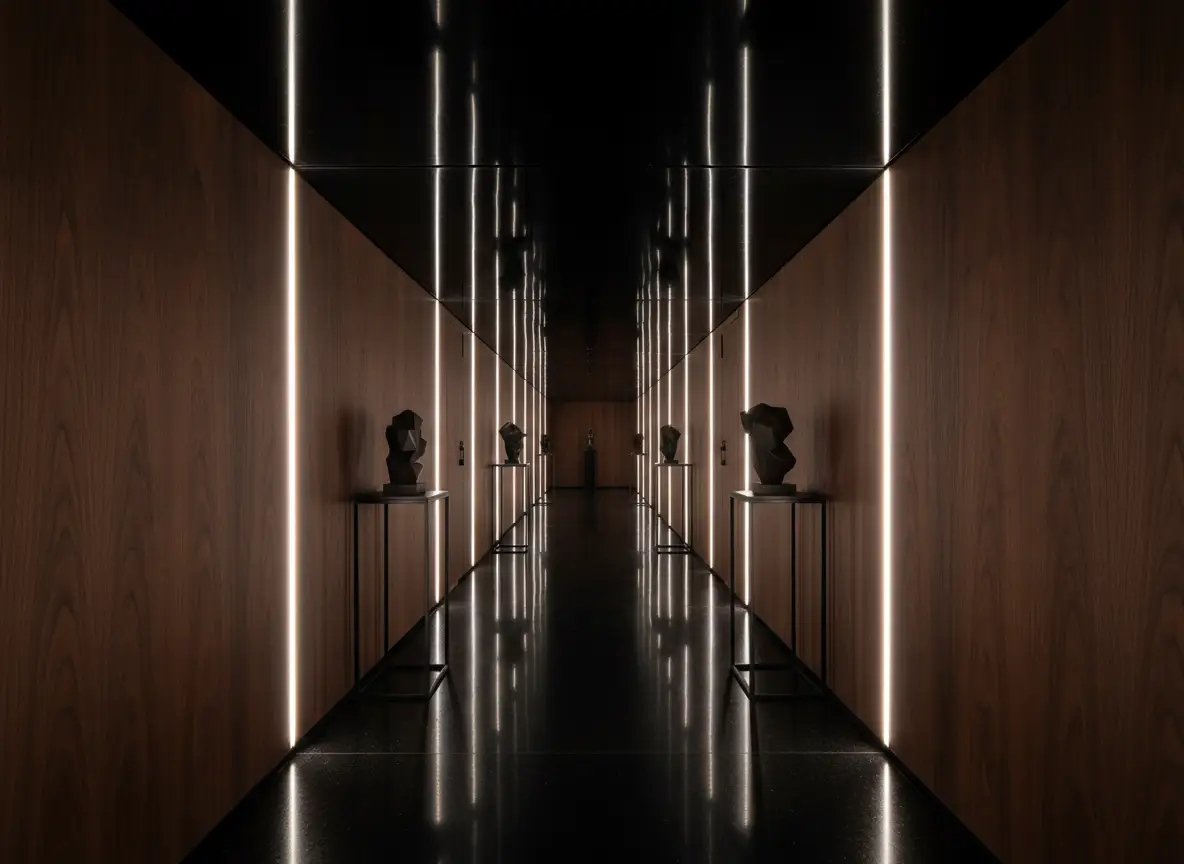
Backlit stretch ceilings require translucent membranes combined with LED lighting panels behind the surface. This creates dramatic lighting effects but increases both material and installation costs.
The technical aspects of lighting installation are explained here
[stretch ceiling installation process] >> [stretch-ceiling-installation]
Factor 4: Room Size
Room size directly affects pricing.
Stretch ceilings are produced as custom membranes that match the exact dimensions of the room. Larger rooms require larger membranes and more installation time.
However, price per square meter sometimes decreases slightly for larger areas because installation becomes more efficient.
Small rooms may have a slightly higher price per m² due to setup costs.
Factor 5: Ceiling Complexity
Certain architectural conditions make installation more complex.
Factors that increase installation difficulty include:
• irregular room shapes
• multiple ceiling levels
• curved ceiling structures
• many lighting fixtures
• air conditioning vents or sprinklers
Each additional feature requires precise cutting and reinforcement around the membrane.
This additional work increases the final cost.
Factor 6: Structural Preparation
In most cases stretch ceilings are installed beneath the existing ceiling structure. This means the condition of the original ceiling rarely affects the installation.
However, some situations require additional preparation:
• damaged structural ceilings
• installation of insulation materials
• acoustic backing systems
These preparations add additional labor and materials to the project.
Factor 7: Acoustic Features
Some stretch ceiling systems include acoustic membranes or sound-absorbing backing layers.
These ceilings are used in environments where sound quality matters, such as:
• conference rooms
• restaurants
• home theaters
• open office environments
Acoustic materials increase cost but improve sound comfort significantly.
Factor 8: Custom Graphics and Printed Ceilings
Printed stretch ceilings allow images or patterns to be applied directly to the membrane.
Popular printed designs include:
• sky or cloud ceilings
• nature scenery
• geometric patterns
• decorative artwork
The printing process adds manufacturing steps, which increases the final price.
Factor 9: Installation Location
Project location can also affect pricing.
Installation costs may vary depending on:
• city labor rates
• building accessibility
• project scheduling
• transportation costs
Large commercial projects sometimes benefit from lower cost per square meter because installation teams work more efficiently across larger spaces.
Long-Term Cost Advantages
Although stretch ceilings can have a higher initial price than drywall ceilings, they often reduce long-term maintenance costs.
Traditional ceilings frequently require:
• repainting
• crack repairs
• patching water stains
Stretch ceilings typically require minimal maintenance over their lifespan.
Cleaning usually involves wiping the surface with a soft cloth.
Additional maintenance questions are addressed here
[stretch ceiling maintenance FAQ] >> [stretch-ceiling-faq]
When Stretch Ceilings Are Worth the Investment
Stretch ceilings are often chosen when design quality and long-term durability are priorities.
They are particularly useful for:
Residential interiors
• living rooms
• bedrooms
• bathrooms
• home theaters
Commercial environments
• hotels
• restaurants
• offices
• retail stores
In these environments the design flexibility and lighting integration often justify the investment.
Budget Planning Tips
If you are planning a stretch ceiling project, several strategies can help control costs.
- Start with a simple design
Basic matte ceilings provide the lowest cost per m². - Limit the number of lighting fixtures
Each fixture requires reinforcement and installation work. - Plan the design early
Changes during installation can increase costs. - Work with experienced installers
Professional installation prevents mistakes that could damage the membrane.
For project consultation see
[stretch ceiling consultation] >> [contact]
Frequently Asked Questions
How much does a stretch ceiling cost per m²?
Most stretch ceilings cost between $30 and $80 per m² depending on material type and finish. Advanced lighting ceilings may cost more.
Why are stretch ceilings more expensive than drywall?
Stretch ceilings involve custom-manufactured membranes and specialized installation techniques. However, they usually require less long-term maintenance.
Do stretch ceilings increase property value?
In high-end residential or commercial interiors, stretch ceilings can enhance visual appeal and modernize the space, which may increase perceived property value.
Can stretch ceilings be installed over existing ceilings?
Yes. Stretch ceilings are commonly installed below existing ceilings, allowing them to hide imperfections, wiring, or structural elements.
Are stretch ceilings expensive to maintain?
No. Maintenance is minimal and usually requires only occasional cleaning.
Conclusion
Stretch ceiling pricing varies depending on materials, lighting integration, and project complexity. While basic installations are relatively affordable, advanced lighting systems or custom designs can increase the total cost.
Understanding these factors allows property owners and designers to plan projects more accurately and avoid unexpected expenses.
When properly installed, stretch ceilings offer long-term durability, design flexibility, and minimal maintenance, making them a valuable option for many modern interior projects.