Lighting has become one of the most important elements in modern interior design. While traditional ceilings often limit lighting possibilities, stretch ceilings allow designers to integrate lighting directly into the ceiling structure.
This capability transforms the ceiling from a simple structural surface into an architectural feature that shapes the atmosphere of a room.
Stretch ceilings are particularly effective when combined with modern LED lighting technology. Because the membrane can diffuse light and hide fixtures, designers can create uniform illumination or dramatic visual effects.
This article explores practical stretch ceiling lighting ideas and explains how they are used in modern residential and commercial interiors.
Why Stretch Ceilings Work Well with Lighting
Stretch ceilings are installed below the structural ceiling using a perimeter track system. The membrane is tensioned across this frame, creating a perfectly smooth surface.
The space between the structural ceiling and the membrane allows lighting systems to be installed behind or within the ceiling surface.
This design flexibility allows lighting to be integrated in ways that are difficult with traditional plaster or drywall ceilings.
For a technical overview of installation systems see
[stretch ceiling installation process] >> [stretch-ceiling-installation]
LED Strip Lighting in Stretch Ceilings
LED strip lighting is one of the most widely used lighting solutions for stretch ceilings.
LED strips are flexible lighting elements that can be installed around the perimeter of the ceiling or behind recessed sections. When combined with a stretch ceiling membrane, they create soft indirect lighting.
Common applications include:
• perimeter ceiling lighting
• floating ceiling effects
• wall-to-ceiling transitions
• accent lighting in modern interiors
LED strips are energy efficient and produce minimal heat, which makes them compatible with stretch ceiling materials.
Backlit Stretch Ceilings
Backlit stretch ceilings are one of the most visually striking lighting solutions available.
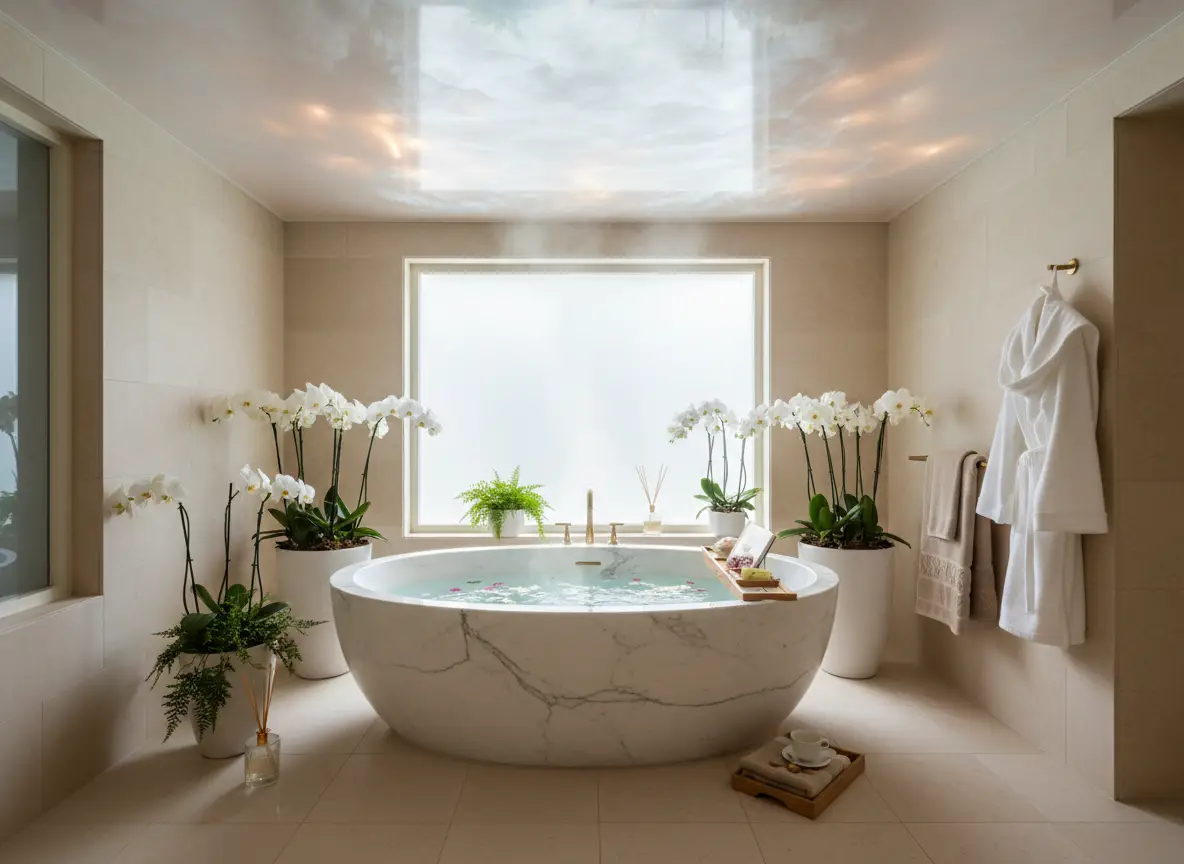
In this system, a translucent membrane is installed below a grid of LED panels. The light passes through the membrane and creates a uniform glowing ceiling.
This technique creates soft ambient lighting across the entire ceiling surface.
Advantages include:
• even distribution of light
• reduction of visible lighting fixtures
• elegant and modern appearance
• adjustable brightness using dimmers
Backlit ceilings are often used in luxury homes, hotel lobbies, retail environments, and spa facilities.
Examples of lighting installations can be explored here
[stretch ceiling applications] >> [stretch-ceiling-applications]
Recessed Spotlights in Stretch Ceilings
Recessed spotlights remain one of the most common lighting solutions used with stretch ceilings.
Small LED spotlights can be integrated into the membrane using reinforced rings that support the fixtures.
This allows the lighting fixtures to sit flush with the ceiling surface.
Recessed spotlights are commonly used for:
• kitchen lighting
• bathroom lighting
• retail displays
• office spaces
They provide focused illumination while maintaining a clean ceiling appearance.
Perimeter Lighting for Floating Ceiling Effects
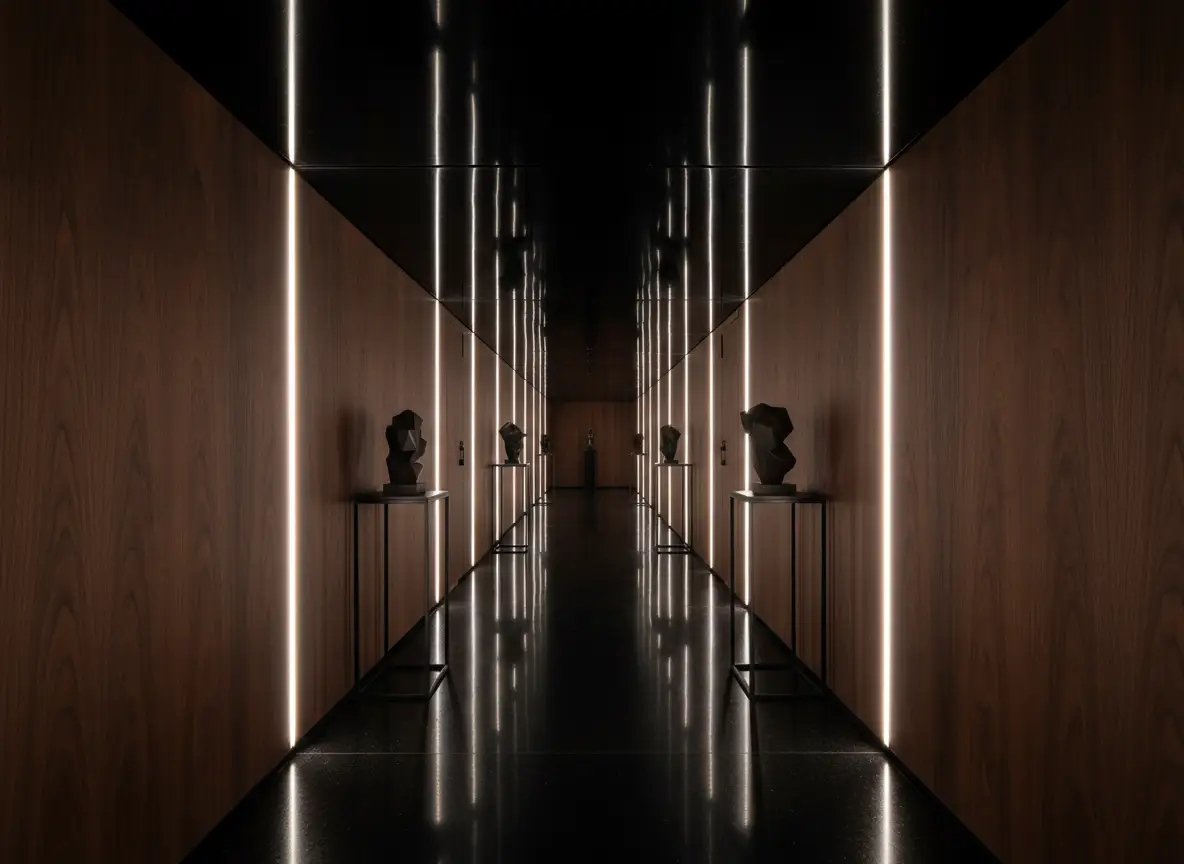
Perimeter lighting is used to create the illusion that the ceiling is floating above the walls.
This design involves installing LED strips around the edges of the ceiling. The stretch membrane hides the lighting source while allowing the glow to illuminate the surrounding surfaces.
The result is a subtle halo effect that adds depth to the room.
This technique is popular in:
• modern apartments
• hotel rooms
• lounge areas
• contemporary living rooms
Illuminated Ceiling Panels
Stretch ceilings allow the creation of large illuminated panels that function as architectural lighting elements.
Instead of installing individual light fixtures, entire sections of the ceiling can emit light.
These illuminated panels can be:
• square light panels
• rectangular lighting grids
• custom geometric shapes
The panels provide consistent lighting across large areas.
Star Ceiling Lighting
Star ceilings create the effect of a night sky above the room.
This effect is usually achieved using fiber optic lighting installed behind the stretch ceiling membrane. Small points of light shine through the surface, creating the appearance of stars.
Some systems allow the stars to twinkle or change brightness.
Star ceilings are commonly used in:
• home theaters
• luxury bedrooms
• hotel suites
• spa environments
Color-Changing Lighting Systems
LED technology allows lighting colors to be adjusted through digital controllers.
Stretch ceilings can incorporate RGB or RGBW lighting systems that allow users to change the color of the ceiling illumination.
These systems allow:
• mood lighting changes
• programmable lighting scenes
• smart home integration
Color-changing ceilings are popular in entertainment spaces and hospitality environments.
Lighting Design Considerations
When designing stretch ceiling lighting systems, several technical factors must be considered.
Light Diffusion
The membrane type determines how light spreads across the ceiling surface.
Translucent membranes allow light to pass through evenly, which is ideal for backlit ceilings.
Glossy membranes reflect light and create dramatic reflections.
For an overview of available finishes see
[stretch ceiling materials and finishes] >> [stretch-ceiling-types]
Heat Management
Although LED lights produce less heat than traditional lighting, proper spacing between lighting elements and the membrane must be maintained.
Professional installers ensure safe distances to protect the membrane.
Electrical Access
Because lighting systems are installed above the membrane, installers must provide access points for maintenance.
These access points are usually integrated into the ceiling design.
Best Rooms for Stretch Ceiling Lighting
Stretch ceiling lighting systems can be used in a wide range of environments.
Residential Spaces
Living rooms benefit from ambient ceiling lighting that creates a relaxed atmosphere.
Bedrooms often use soft indirect lighting or star ceiling effects.
Bathrooms frequently incorporate perimeter LED lighting combined with recessed spotlights.
Home theaters benefit from star ceiling installations and dimmable lighting.
Commercial Spaces
Hotels often use illuminated ceilings in reception areas.
Restaurants use perimeter lighting to create intimate environments.
Retail spaces rely on recessed lighting combined with accent lighting.
Office interiors often use illuminated ceiling panels for uniform lighting.
Completed projects demonstrating these solutions can be seen here
[stretch ceiling project portfolio] >> [portfolio]
Installation Planning
Proper lighting integration requires coordination between designers, electricians, and installers.
Key planning steps include:
• determining lighting layout before installation
• selecting compatible membrane materials
• designing access points for electrical components
• ensuring safe mounting for lighting fixtures
Planning lighting early in the project prevents costly adjustments later.
For professional consultation see
[stretch ceiling consultation] >> [contact]
Frequently Asked Questions
Can stretch ceilings support lighting fixtures?
Yes. Reinforced rings and mounting systems allow spotlights and other fixtures to be installed safely within stretch ceilings.
Are LED lights safe with stretch ceilings?
Yes. LED lights produce minimal heat and are commonly used in stretch ceiling installations.
Can stretch ceilings provide main room lighting?
Yes. Backlit stretch ceilings and illuminated panels can provide primary lighting for a room.
Can lighting colors be changed?
Yes. RGB LED systems allow lighting color and brightness to be adjusted using controllers.
Can lighting be replaced after installation?
Yes. Access points can be integrated into the ceiling design to allow maintenance or replacement of lighting components.
Conclusion
Stretch ceilings provide unique opportunities for integrating lighting into interior design. By combining modern LED technology with flexible membrane systems, designers can create lighting effects that transform the atmosphere of a space.
From subtle perimeter lighting to fully illuminated ceilings, stretch ceiling lighting systems offer both functional illumination and visual impact.
When carefully designed and professionally installed, these lighting solutions allow ceilings to become one of the most distinctive elements of modern interiors.