Choosing the right ceiling system affects the durability, maintenance, and appearance of a space. Two of the most widely used ceiling systems today are stretch ceilings and drywall ceilings. Both can produce clean and modern interior finishes, but the materials, installation methods, and long-term performance are very different.
Drywall ceilings have been used in construction for decades and remain common in residential buildings. Stretch ceilings are a more modern suspended ceiling technology that has become increasingly popular in hotels, retail spaces, offices, and high-end residential interiors.
Understanding the differences between these systems helps architects, interior designers, contractors, and property owners choose the most suitable solution.
For a general overview of professional ceiling services see:
What Is a Stretch Ceiling?
A stretch ceiling is a suspended ceiling system made from a flexible membrane installed across a perimeter frame. The membrane is typically manufactured from PVC (polyvinyl chloride) or polyester fabric coated with polyurethane.
During installation, the material is heated and stretched into an aluminum track mounted along the walls of a room. Once installed, the membrane forms a smooth and continuous ceiling surface without visible joints.
Stretch ceilings were first developed in Europe and are now widely used in residential and commercial interiors worldwide.
Main characteristics of stretch ceilings
• lightweight suspended ceiling structure
• smooth and seamless finish
• resistant to humidity and moisture
• compatible with integrated lighting systems
• available in many colors and surface finishes
Different finishes and materials are explained here:
What Is a Drywall Ceiling?
A drywall ceiling, also known as a gypsum board ceiling, is the traditional ceiling construction method used in most buildings.
The system uses gypsum board panels attached to a structural frame made from wood or metal. After the boards are installed, the joints between sheets are covered with tape and joint compound.
Once the compound dries, the ceiling is sanded smooth, primed, and painted.
Main characteristics of drywall ceilings
• constructed using gypsum board panels
• mounted to metal or wooden framing
• finished with plaster compound
• painted surface finish
• widely used in residential construction
Drywall ceilings remain common because the materials are affordable and the installation process is familiar to most contractors.
Stretch Ceiling vs Drywall Ceiling: Key Differences
The main differences between stretch ceilings and drywall ceilings involve installation time, durability, maintenance, and design flexibility.
| Feature | Stretch Ceiling | Drywall Ceiling |
|---|---|---|
| Installation time | Few hours | Several days |
| Surface finish | Seamless membrane | Possible visible joints |
| Weight | Very lightweight | Heavier construction |
| Water resistance | Resistant to humidity | Absorbs water |
| Maintenance | Minimal | Repainting required |
| Lighting integration | Easy | Requires preparation |
| Design flexibility | High | Limited |
This comparison explains why stretch ceilings are often used in modern interior projects where design flexibility and clean finishes are important.
Installation Process Comparison
Stretch Ceiling Installation
Stretch ceilings are known for fast installation. Because the membrane is manufactured in advance, there is no need for sanding or painting.
Typical installation steps include:
• installing aluminum perimeter tracks
• heating the membrane to make it flexible
• stretching the material into the track system
• cutting openings for lighting fixtures
• installing lights and ventilation components
Most residential rooms can be completed within a few hours.
For more details see:
Drywall Ceiling Installation
Drywall ceilings require several construction steps and drying periods.
Typical installation includes:
• installing wooden or metal framing
• attaching gypsum board panels
• applying joint tape and compound
• sanding the surface smooth
• priming and painting
Because joint compound and paint must dry between steps, the installation can take several days.
Design Flexibility and Visual Options
One of the main advantages of stretch ceilings is design flexibility.
Stretch ceiling systems allow several visual finishes:
• matte surfaces similar to traditional ceilings
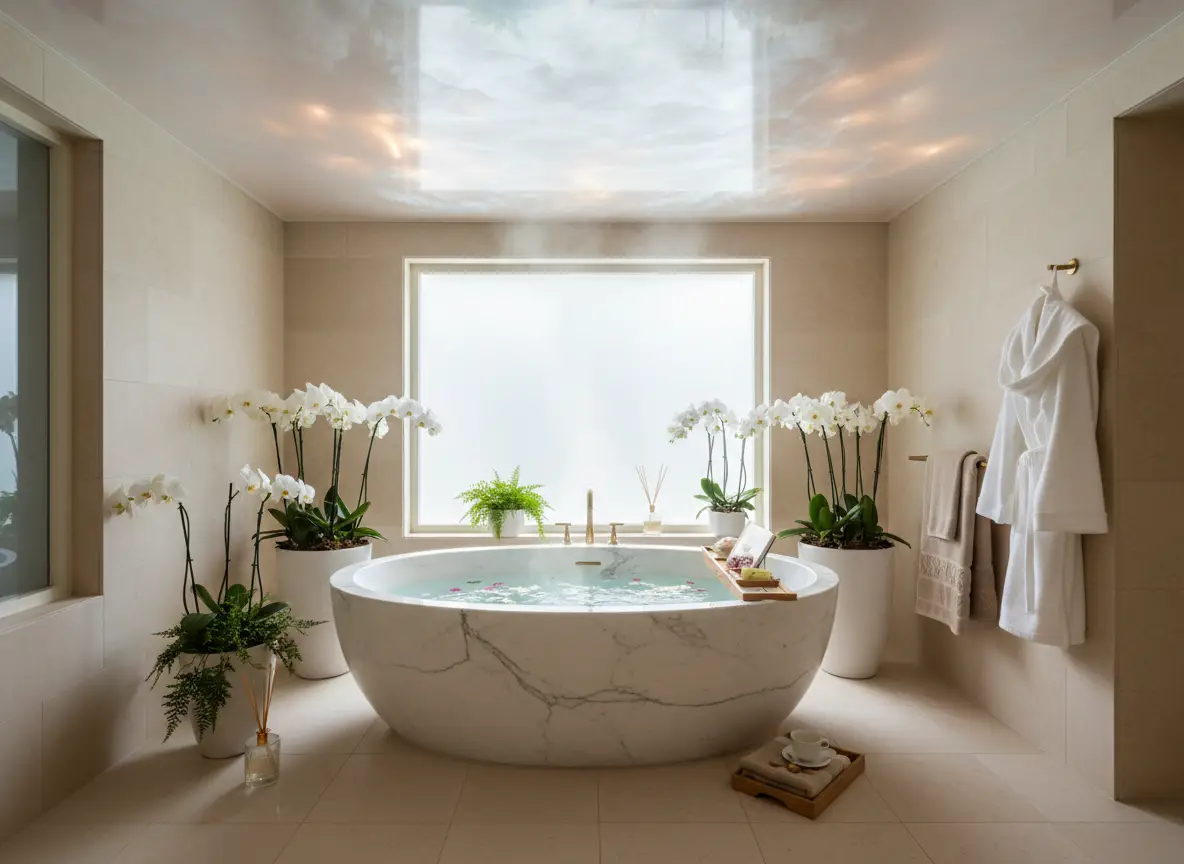
• glossy reflective finishes
• satin finishes with soft reflection
• printed ceiling graphics
• backlit translucent ceilings
Because the membrane is flexible, designers can also create curved ceilings or floating ceiling elements.
Drywall ceilings can create architectural shapes such as tray ceilings or coffers, but they cannot easily produce reflective or illuminated surfaces.
Examples of finished installations can be seen here:
Durability and Lifespan
Durability is an important factor when comparing ceiling systems.
Stretch ceiling durability
Stretch ceilings generally last 15 to 25 years when installed correctly.
Advantages include:
• resistance to humidity
• no cracking from structural movement
• stable color over time
The membrane material remains flexible, which helps prevent visible cracks.
Drywall ceiling durability
Drywall ceilings can also last many years but often require maintenance.
Common issues include:
• cracks caused by building movement
• water stains from leaks
• repainting over time
These factors may increase long-term maintenance costs.
Maintenance Requirements
Maintenance needs differ significantly between the two systems.
Stretch ceiling maintenance
Stretch ceilings require very little maintenance.
Typical care includes:
• wiping the surface with a soft cloth
• occasional cleaning with mild detergent
Because the membrane is non-porous, dust accumulation is limited.
For additional questions see:
Drywall ceiling maintenance
Drywall ceilings usually require periodic repairs.
Typical maintenance tasks include:
• repainting every few years
• repairing cracks
• fixing water stains
These tasks can increase maintenance costs over time.
Lighting Integration
Lighting design is an important part of modern interiors.
Stretch ceilings allow easy integration of lighting systems such as:
• LED strip lighting
• recessed spotlights
• illuminated ceiling panels
• backlit translucent ceilings
Drywall ceilings can also support recessed lights, but installation often requires additional structural preparation.
Stretch ceilings therefore offer greater flexibility when designing complex lighting layouts.
Examples of lighting applications can be seen here:
Cost Comparison
Ceiling costs vary depending on materials, room size, and design complexity.
| Ceiling Type | Typical Cost per m² |
|---|---|
| Basic stretch ceiling | $30 – $60 |
| Backlit stretch ceiling | $80 – $150 |
| Standard drywall ceiling | $20 – $40 |
| Decorative drywall ceiling | $50 – $120 |
Drywall ceilings generally have a lower installation cost. However, stretch ceilings can reduce long-term maintenance expenses because they do not require repainting.
For project inquiries see:
Best Applications for Each Ceiling System
When stretch ceilings are ideal
Stretch ceilings are commonly used in:
• luxury residential interiors
• hotels and hospitality environments
• modern apartments
• offices and commercial spaces
• retail showrooms
These environments benefit from advanced lighting integration and modern finishes.
When drywall ceilings are suitable
Drywall ceilings are often used for:
• budget construction projects
• standard residential homes
• simple interior designs
• large housing developments
Both systems remain useful depending on project requirements.
Frequently Asked Questions
What is the main difference between stretch ceilings and drywall ceilings?
Stretch ceilings use a flexible membrane stretched across a frame. Drywall ceilings use rigid gypsum boards attached to structural framing.
Which ceiling lasts longer?
Stretch ceilings typically last 15–25 years. Drywall ceilings may last many years but often require repairs and repainting.
Are stretch ceilings waterproof?
Most PVC stretch ceilings are resistant to humidity and moisture. Drywall ceilings can absorb water and develop stains.
Can stretch ceilings hide damaged ceilings?
Yes. Stretch ceilings are often installed below existing ceilings to hide cracks, wiring, or uneven surfaces.
Do stretch ceilings reduce ceiling height?
Most installations reduce ceiling height by approximately three to five centimeters.
Can lighting be installed in stretch ceilings?
Yes. LED strips, recessed lights, and backlit panels can all be integrated.
Are stretch ceilings safe?
Professional stretch ceiling systems use fire-rated materials and meet building safety standards when installed correctly.
Conclusion
Stretch ceilings and drywall ceilings both play important roles in modern construction.
Drywall ceilings remain a reliable and affordable solution for standard construction projects. Stretch ceilings offer advantages in installation speed, design flexibility, and lighting integration.
For interiors where appearance, lighting design, and long-term maintenance matter, stretch ceilings are often the preferred option.
To learn more about the company behind these systems visit:
You can also explore more technical guides here: