Stretch ceilings rely on a flexible membrane installed beneath the structural ceiling to create a smooth and continuous surface. The performance, appearance, and durability of a stretch ceiling depend largely on the material used for the membrane.
Two main types of stretch ceiling materials are used in modern interior construction:
• PVC stretch ceiling membranes
• fabric stretch ceiling systems
Each material offers specific advantages and is suited to different types of interior projects.
Understanding these differences helps architects, designers, and property owners choose the most appropriate solution for their space.
The Role of the Stretch Ceiling Membrane
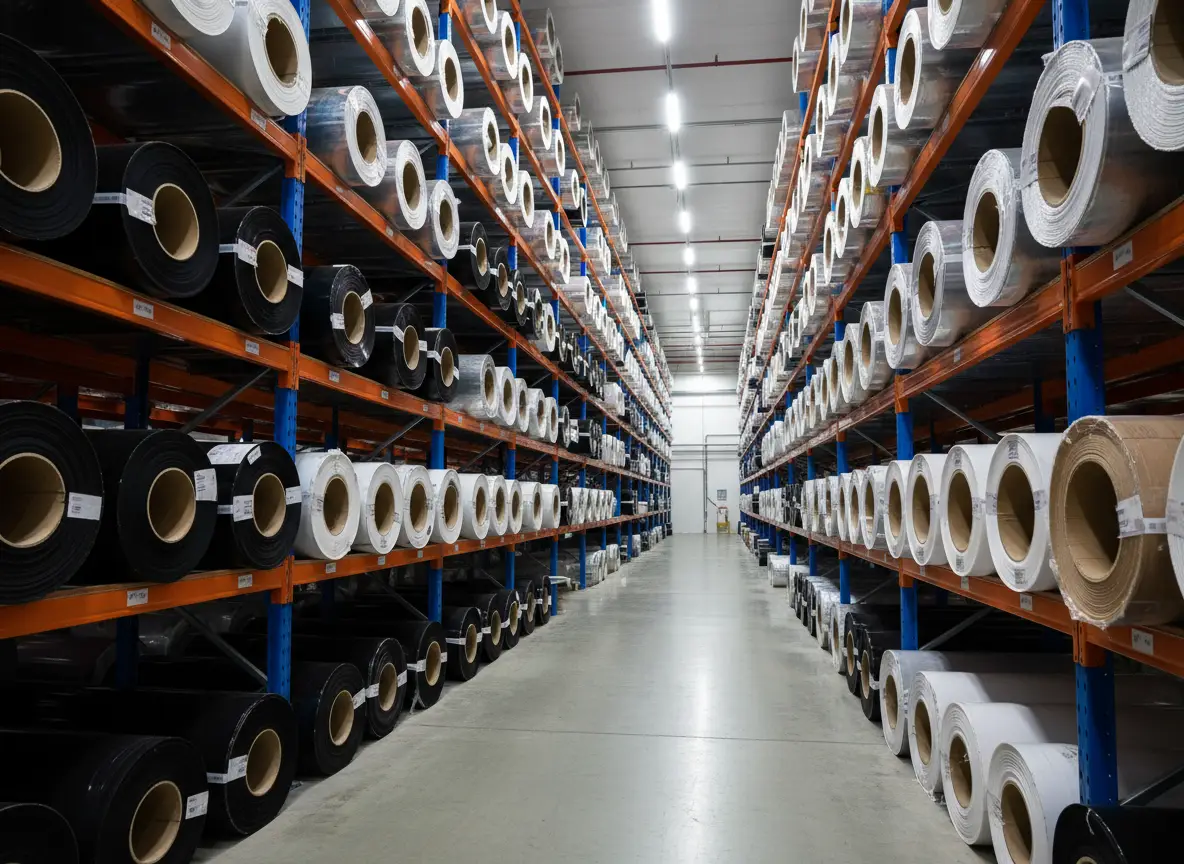
The membrane is the visible surface of the stretch ceiling system. It is manufactured as a large sheet and tensioned across a perimeter track installed around the room.
Because the membrane forms the finished ceiling surface, its characteristics influence:
• appearance
• lighting diffusion
• durability
• maintenance requirements
The membrane also determines how lighting effects, reflections, or textures appear within the interior design.
An overview of different stretch ceiling finishes can be found here
[stretch ceiling types] >> [stretch-ceiling-types]
PVC Stretch Ceiling Membranes
PVC membranes are the most commonly used material for stretch ceilings worldwide. PVC stands for polyvinyl chloride, a flexible polymer that can be manufactured into thin sheets suitable for ceiling installations.
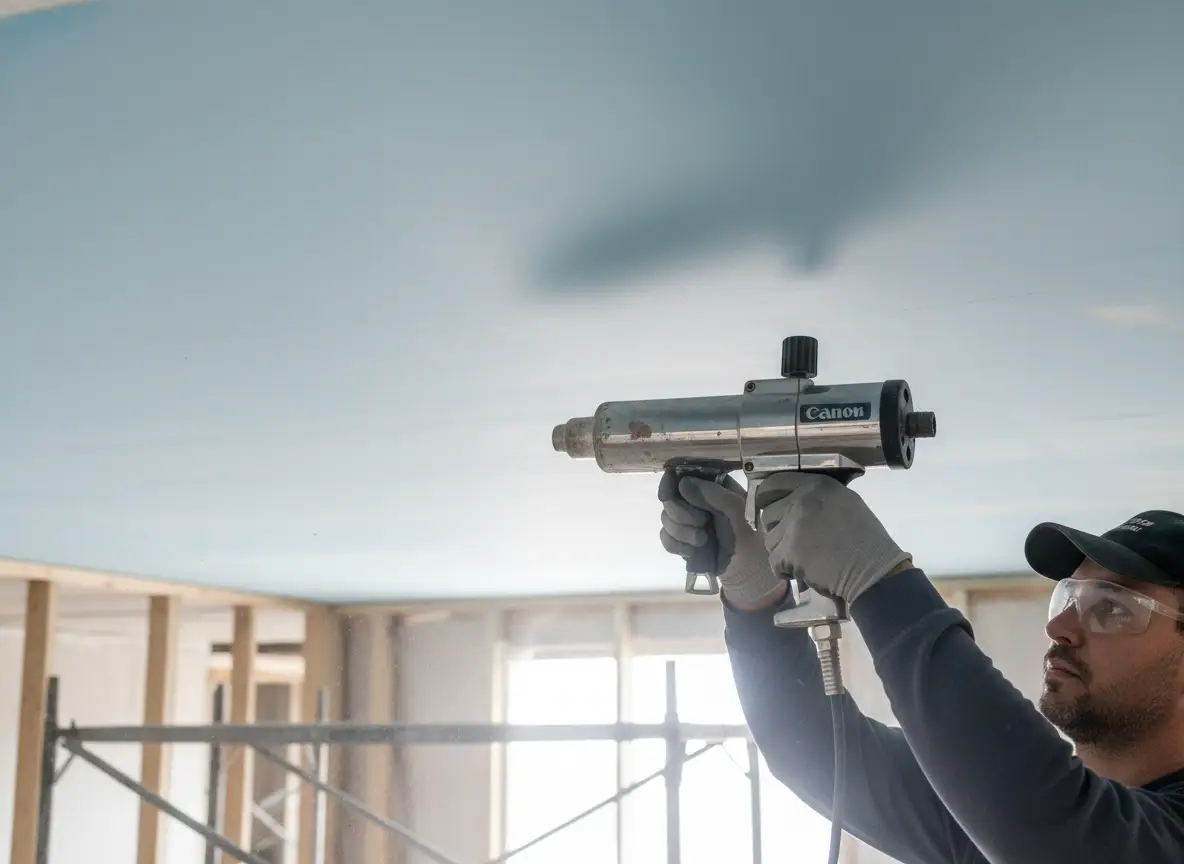
During installation, the membrane is heated to make it flexible. Once stretched into the perimeter track and cooled, it forms a tight and smooth surface.
PVC stretch ceilings are known for their design flexibility and wide range of finishes.
Characteristics of PVC Stretch Ceilings
PVC stretch ceilings typically offer:
• high flexibility
• perfectly smooth surfaces
• wide variety of colors and finishes
• compatibility with lighting systems
PVC membranes can also be produced in translucent versions, allowing light to pass through the material. This makes them ideal for illuminated ceiling designs.
Common PVC Stretch Ceiling Finishes
PVC membranes are available in many finishes, which influence the visual style of the ceiling.
The most common finishes include:
Matte Finish
Matte ceilings provide a neutral appearance similar to traditional painted ceilings.
They are often used in:
• minimalist interiors
• residential living spaces
• office environments
Glossy Finish
Glossy stretch ceilings have reflective surfaces that mirror light and surrounding objects.
These ceilings can make small spaces appear larger because they reflect light across the room.
Glossy ceilings are frequently used in:
• modern apartments
• luxury interiors
• retail environments
Satin Finish
Satin finishes provide a subtle reflection between matte and glossy surfaces.
They create soft lighting reflections without producing strong mirror effects.
Fabric Stretch Ceilings
Fabric stretch ceilings use a polyester-based textile membrane coated with polyurethane.
Unlike PVC systems, fabric ceilings are usually installed without heating. The material is stretched mechanically into the perimeter track.
Fabric systems are sometimes used in projects where installation conditions make heated PVC installation more difficult.
Characteristics of Fabric Stretch Ceilings
Fabric stretch ceilings offer different characteristics compared with PVC membranes.
Typical properties include:
• breathable textile surface
• matte visual appearance
• installation without heat
• wide panel sizes
Fabric ceilings are typically used in environments where large seamless surfaces are required.
Design Differences Between PVC and Fabric
The visual appearance of the ceiling depends largely on the material used.
PVC membranes allow greater design flexibility because they can be manufactured in many finishes and colors.
Fabric ceilings are typically limited to matte finishes.
This difference means PVC ceilings are often used in projects where designers want more visual impact.
Examples of stretch ceiling installations using different materials can be seen here
[stretch ceiling portfolio] >> [portfolio]
Lighting Compatibility
Lighting design is an important consideration when selecting a stretch ceiling material.
PVC membranes can be produced in translucent versions that allow light to pass through the material.
This makes them suitable for:
• backlit ceilings
• illuminated ceiling panels
• integrated lighting systems
Fabric ceilings generally do not diffuse light in the same way and are less commonly used for illuminated ceilings.
Durability and Maintenance
Both PVC and fabric stretch ceilings are durable when installed correctly.
PVC membranes are waterproof and resistant to humidity. This makes them suitable for bathrooms, kitchens, and spa environments.
Fabric ceilings are breathable but not fully waterproof.
Maintenance for both materials is relatively simple.
Typical maintenance includes:
• occasional dust removal
• gentle cleaning with mild soap solutions
Installation Differences
PVC stretch ceilings require heating during installation. Specialized equipment warms the membrane so it becomes flexible enough to stretch across the perimeter frame.
Fabric ceilings are installed at room temperature and stretched manually into the track.
Each installation method requires trained technicians.
For a detailed explanation of installation methods see
[stretch ceiling installation process] >> [stretch-ceiling-installation]
Acoustic Options
Both PVC and fabric stretch ceiling systems can incorporate acoustic backing materials designed to improve sound absorption.
Acoustic stretch ceilings are commonly used in:
• offices
• conference rooms
• restaurants
• theaters
These systems reduce echo and improve sound comfort.
Environmental Considerations
Stretch ceiling materials are manufactured according to modern building standards.
High-quality membranes used by professional installers are designed to meet fire safety and environmental regulations.
Many manufacturers also offer materials certified for indoor air quality.
Choosing the Right Material
Selecting the correct stretch ceiling material depends on the goals of the project.
PVC membranes are often preferred when:
• lighting integration is required
• reflective or decorative finishes are desired
• humidity resistance is important
Fabric ceilings may be selected when:
• large panel sizes are needed
• installation without heating is preferred
• matte finishes are acceptable
Professional consultation helps determine which material works best for each project.
For project consultation see
[stretch ceiling consultation] >> [contact]
Frequently Asked Questions
What is the most common stretch ceiling material?
PVC membranes are the most widely used stretch ceiling material worldwide.
Are fabric stretch ceilings durable?
Yes, fabric stretch ceilings are durable when properly installed.
Are PVC stretch ceilings waterproof?
Yes. PVC membranes are resistant to water and humidity.
Can both materials support lighting systems?
Lighting systems are more commonly integrated into PVC stretch ceilings because translucent membranes allow light diffusion.
Which material lasts longer?
Both materials can last many years when installed and maintained correctly.
Conclusion
Stretch ceiling systems rely on specialized membranes that determine their appearance and performance. PVC and fabric materials each offer different advantages depending on the requirements of the project.
PVC membranes provide greater design flexibility and lighting integration, while fabric systems offer alternative installation methods and large panel sizes.
Understanding these differences helps architects and property owners select the most appropriate ceiling solution for their interior environment.